← Back to OEM Capabilities

AFPM Design and Prototype Support

Engineering-side prototype support for AFPM motor projects needing manufacturability feedback, component sourcing, and sample-build coordination.

Best Fit For:Best for teams that know the AFPM direction but still need practical manufacturing input before freezing the design.
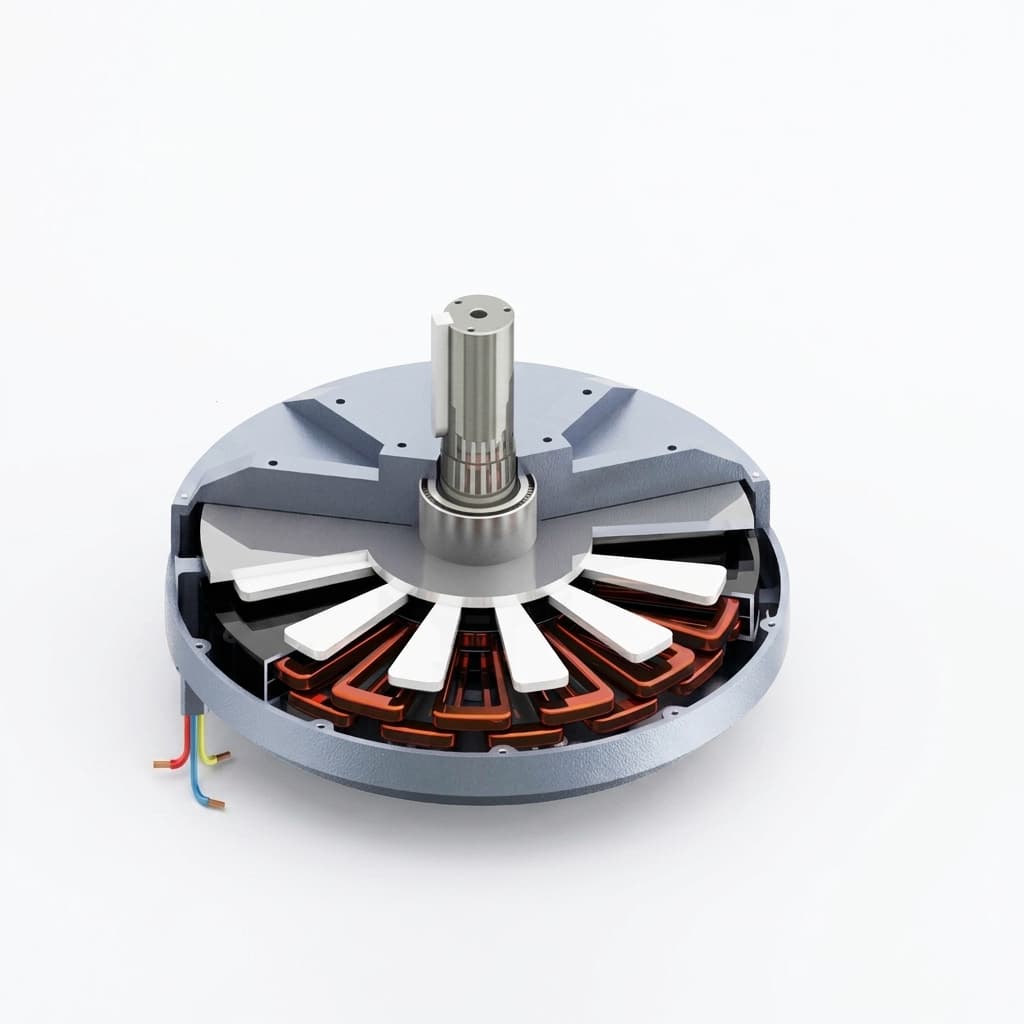
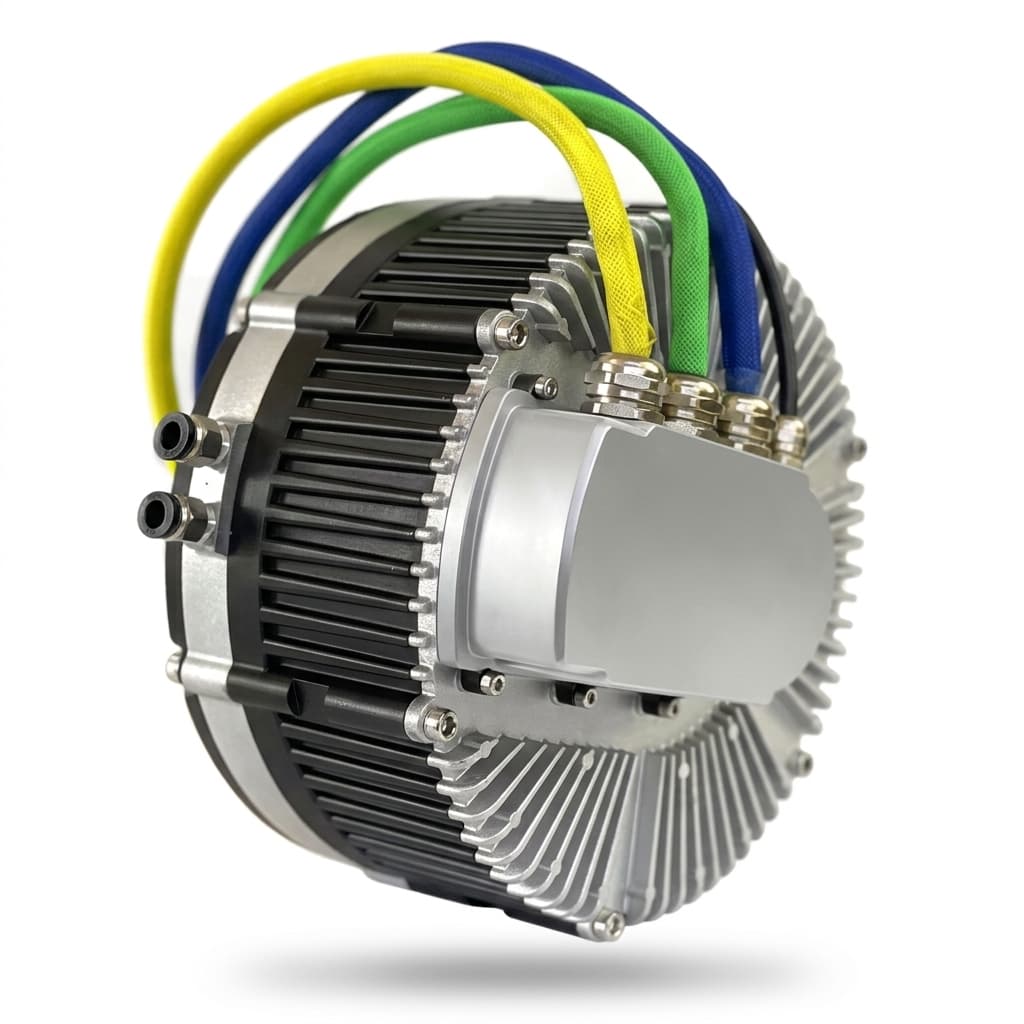
DIY Stator Axial Flux Motor Kit — view 1

Capability Highlights

  • Concept review against manufacturing, thermal, and assembly constraints
  • Prototype BOM and supplier route planning
  • Sample acceptance plan for torque, resistance, hipot, temperature, and balance
  • Revision feedback before expensive tooling or pilot release

Typical Engagement Scope

  • Startup R&D
  • University labs
  • Vehicle prototypes
  • Aerospace demonstrators

Execution Focus

  • Feasibility of topology, winding, rotor retention, and housing interface
  • Prototype sequence, test fixtures, and instrumentation assumptions
  • Material substitution risk and supplier lead time planning
  • Acceptance criteria that distinguish concept learning from production-intent validation

Program Evaluation Matrix

Program MetricTypical RangeProcurement Value
Design maturityConcept to pre-productionThe level of design maturity determines whether the next step is feasibility, sample build, or pilot quote.
Prototype evidenceTorque, thermal, electrical, balanceBuyers need evidence that resolves the highest technical risk before scaling spend.
DFM closure itemsTopology, winding, rotor, housing, thermal, and inspectionPrototype support is valuable when it converts unknowns into buildable drawings and measurable gates.
Sample lead-time dependencyMaterial, tooling, winding, magnet, and test fixture dependentLead time should be tied to frozen assumptions rather than a generic prototype promise.

Program Decision Inputs

  • Target application, performance goal, CAD or sketches, and design maturity
  • Critical unknowns: thermal, mass, torque ripple, speed, or cost target
  • Sample quantity, test schedule, and expected documentation
  • Available controller, load fixture, sensor, cooling, and measurement equipment
  • Decision gate after prototype: redesign, pilot tooling, supplier qualification, or component-only sourcing

Factory Capability Signals

  • Feasibility of topology, winding, rotor retention, and housing interface
  • Prototype sequence, test fixtures, and instrumentation assumptions
  • Material substitution risk and supplier lead time planning
  • Acceptance criteria that distinguish concept learning from production-intent validation

Validation Evidence

  • Design maturity: The level of design maturity determines whether the next step is feasibility, sample build, or pilot quote.
  • Prototype evidence: Buyers need evidence that resolves the highest technical risk before scaling spend.
  • DFM closure items: Prototype support is valuable when it converts unknowns into buildable drawings and measurable gates.
  • Sample lead-time dependency: Lead time should be tied to frozen assumptions rather than a generic prototype promise.

RFQ Preparation Checklist

  1. Target application, performance goal, CAD or sketches, and design maturity
  2. Critical unknowns: thermal, mass, torque ripple, speed, or cost target
  3. Sample quantity, test schedule, and expected documentation
  4. Available controller, load fixture, sensor, cooling, and measurement equipment
  5. Decision gate after prototype: redesign, pilot tooling, supplier qualification, or component-only sourcing

Risk and Mitigation

  • Too much work starts before acceptance criteria are defined: Write the sample pass/fail gates before component sourcing begins.
  • Prototype materials differ from intended production: Mark all substitutions and plan a production-intent validation build.
  • Simulation priorities conflict with manufacturing limits: Review winding access, insulation clearance, rotor assembly, potting, and inspection reach before CAD freeze.

Program Production and QC Flow

OEM capability pages should make supplier qualification easier. Use this flow to align design responsibility, process checkpoints, outgoing records, and change control before samples move into pilot supply.

GateControl FocusRecord / Output
Scope freezeTarget application, performance goal, CAD or sketches, and design maturity; Critical unknowns: thermal, mass, torque ripple, speed, or cost targetQuotation boundary, drawing revision, CTQ list, sample quantity, and test responsibility.
Process controlFeasibility of topology, winding, rotor retention, and housing interface; Prototype sequence, test fixtures, and instrumentation assumptionsMaterial route, fixture plan, in-process checks, and supplier risk log.
Outgoing evidenceDesign maturity, Prototype evidence, DFM closure items, Sample lead-time dependencyInspection report, electrical screen, mechanical screen, balance or thermal notes, and lot labels.
Repeat supplyWrite the sample pass/fail gates before component sourcing begins.; Mark all substitutions and plan a production-intent validation build.; Review winding access, insulation clearance, rotor assembly, potting, and inspection reach before CAD freeze.Effective-lot change control, corrective action loop, packaging standard, and shipment milestone plan.

Related Products

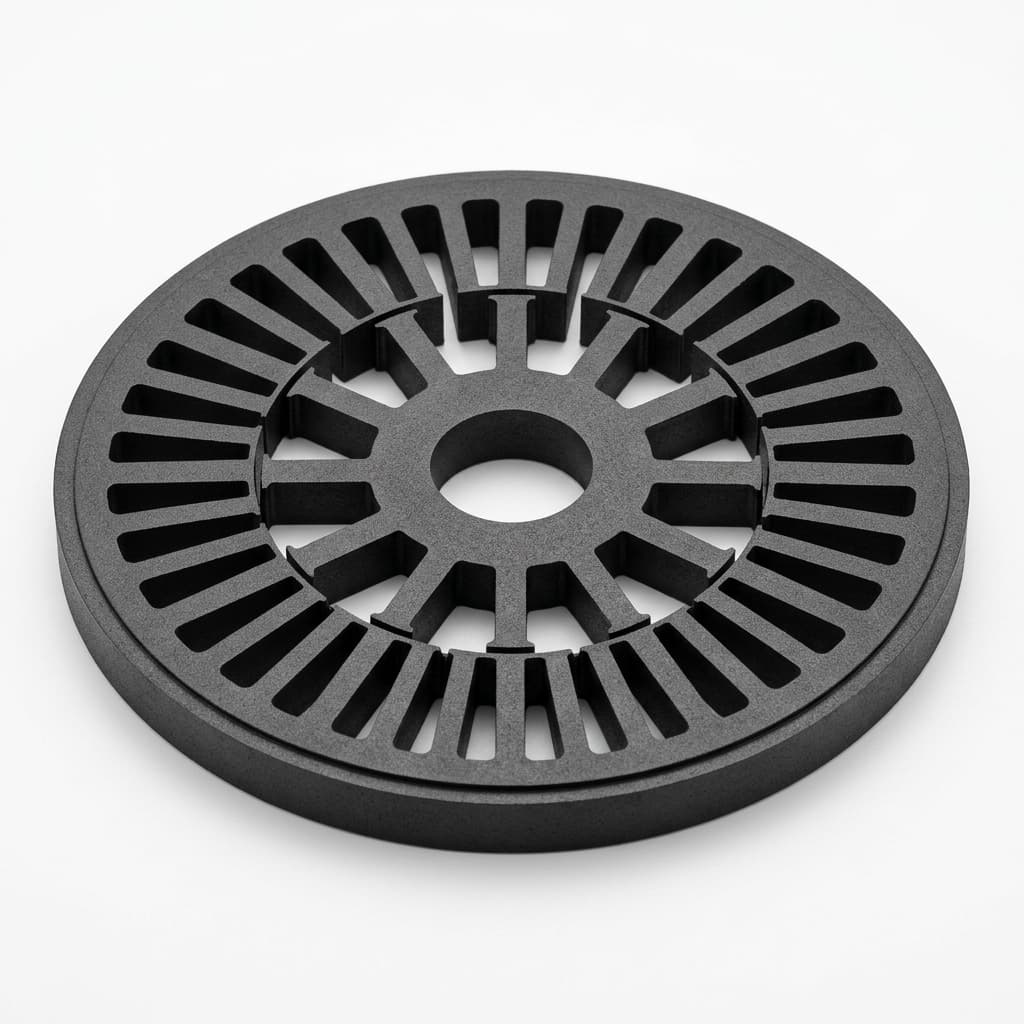
PCB Stator Axial Flux Motor — view 1
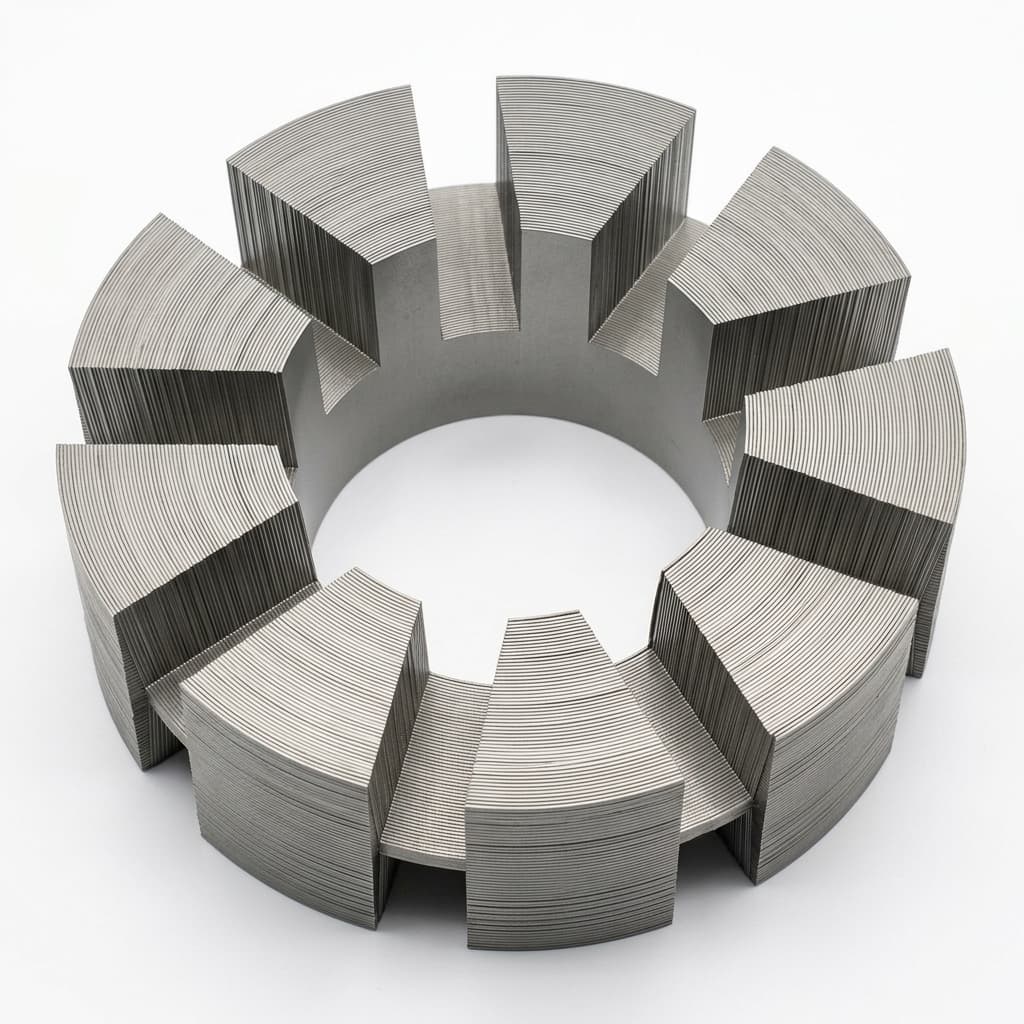
Segmented Axial Flux Stator Core
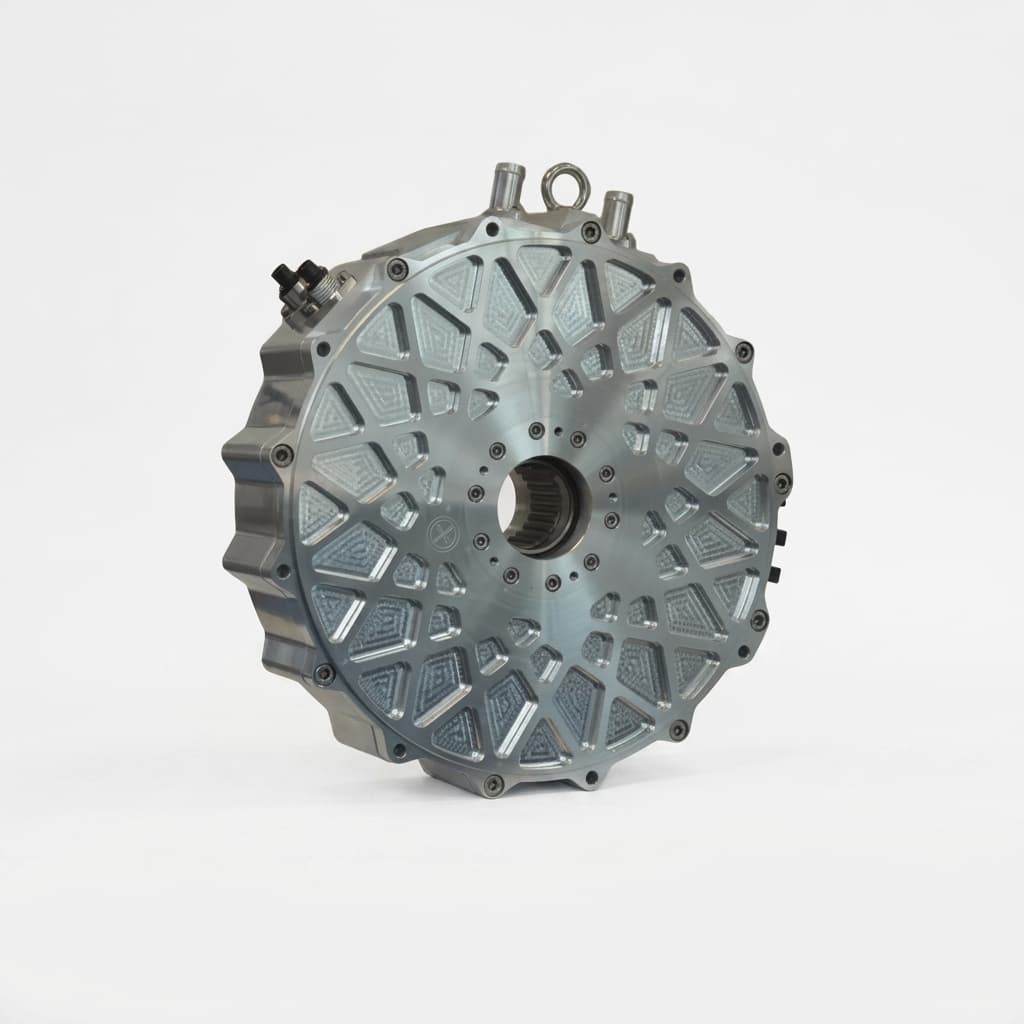
Coreless Axial Flux Motor — view 1
Halbach Array Axial Flux Motor — view 1
Toroidal Winding Axial Flux Motor — view 1

Buyer FAQ

Can you sign an NDA for AFPM prototype work?

Yes. NDA-driven communication is appropriate when buyers share proprietary electromagnetic or mechanical design files.

Can you help when only a target torque-speed curve is ready?

Yes for feasibility discussion, but sample planning also needs envelope, voltage, cooling, controller, and acceptance evidence.

What should be decided before prototype PO release?

Decide the learning objective, pass/fail gates, allowed material substitutions, test method, drawing revision, and whether the sample must be production-intent.

Related Resources

Inquiry Email

[email protected]

Please include application, peak/continuous torque, speed range, voltage/current limit, outer diameter, axial length, cooling method, quantity, and drawings or reference samples.

Instant Chat

+86 188 5797 1991

Share torque-speed, package, cooling, and sample quantity in the first message.