AFPM Motor LogoAFPM Motor
Start inquiry
AFPM Motor LogoAFPM Motor
WhatsApp
AFPM Motor LogoAFPM Motor

Axial flux permanent magnet motor OEM support for compact high-torque electric drive programs.

Inquiry Email

[email protected]

Open RFQ Email

Please include application, peak/continuous torque, speed range, voltage/current limit, outer diameter, axial length, cooling method, quantity, and drawings or reference samples.

Instant Chat

+86 188 5797 1991

Chat on WhatsApp

Share torque-speed, package, cooling, and sample quantity in the first message.

Products
  • Axial Flux PM Motors
  • Dual-Rotor AFPM Motors
  • Yokeless AFPM Motors
  • AFPM Stator & Rotor Assemblies
  • AFPM Generators
  • View All Products →
Solutions
  • Electric Motorcycle & Light EV
  • Robotics Compact Joint Drives
  • Drone & eVTOL Propulsion
  • Renewable Direct-Drive Generators
  • View All Solutions →
OEM Capabilities
  • AFPM Motor OEM Manufacturing
  • AFPM Design & Prototype Support
  • Rotor & Magnet Assembly
  • AFPM Quality Validation
  • View All Capabilities →
Resources
  • 10.5kW Motor Calculator
  • 3kW Coreless Generator Tool
  • 100mm Generator Calculator
  • 100 RPM Generator Tool
  • Blog
  • About
  • Contact / RFQ
  • Privacy Policy
  • Cookie Policy
  • Terms of Service
© 2026 AFPM Motor. All Rights Reserved.|AFPM Motor is the public-facing brand for axial flux permanent magnet motor OEM inquiries operated by Linkup Ai Co., Ltd.
Legal entity: Linkup Ai Co., Ltd.
← Back to Solutions

Electric Motorcycle and Light EV Drives

AFPM motor sourcing for light EV platforms that need high wheel-end torque, short axial length, and fast prototype iteration.

Target Buyer:Best for light EV engineering teams replacing bulky radial motors or exploring flatter drivetrain packages.
Discuss Application FitPrepare RFQ Inputs
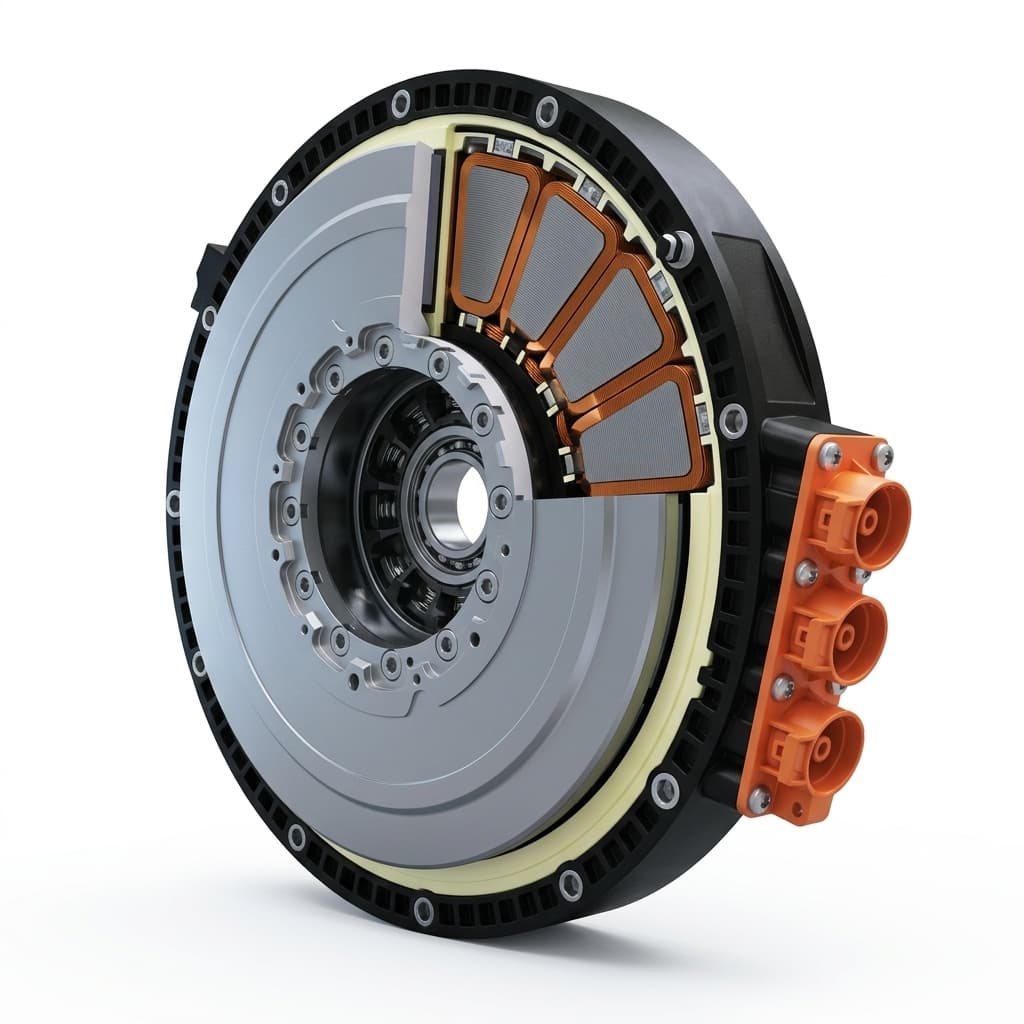
Automotive EV Axial Flux Motor — view 1

Solution Highlights

  • Traction torque-speed map review for 48V to high-voltage platforms
  • Direct-drive or reduction-drive package discussion
  • Cooling and overload window planning for urban duty cycles
  • Rotor retention and vibration control for vehicle use

Common Use Cases

  • Electric motorcycles
  • Electric scooters
  • Light utility EVs
  • Kart and prototype mobility platforms

Implementation Focus

  • Peak launch torque versus continuous hill-climb thermal limits
  • Controller current limit, field weakening need, and regen behavior
  • Mounting envelope, sealing, vibration, and serviceability
  • Cable exit, wheel-side or reduction-side interface, and vehicle IP target

Application Evaluation Matrix

Evaluation MetricTypical RangeBuyer Relevance
Peak and continuous torqueVehicle-duty dependentLight EV buyers often over-focus on peak torque while continuous thermal output defines real usability.
DC bus voltage48V to high-voltage reviewVoltage changes winding design, current, copper loss, inverter choice, and cable sizing.
Gradeability thermal pointBuyer route and payload definedHill-climb or low-speed loaded operation usually sets continuous torque and cooling requirements.
Package interfaceShaft, hub, flange, brake, or reducer inputA motor that meets torque targets can still fail the program if the drivetrain interface is not frozen early.

Buyer Decision Inputs

  • Vehicle mass, wheel size, target acceleration, gradeability, and top speed
  • Battery voltage, controller model, peak/continuous current, and cooling plan
  • Packaging drawing, shaft or hub interface, and environmental rating
  • Direct-drive or reduction-drive preference, brake need, and service access limits
  • Required sample evidence: no-load, back EMF, torque-speed, heat-rise, or road-test support data
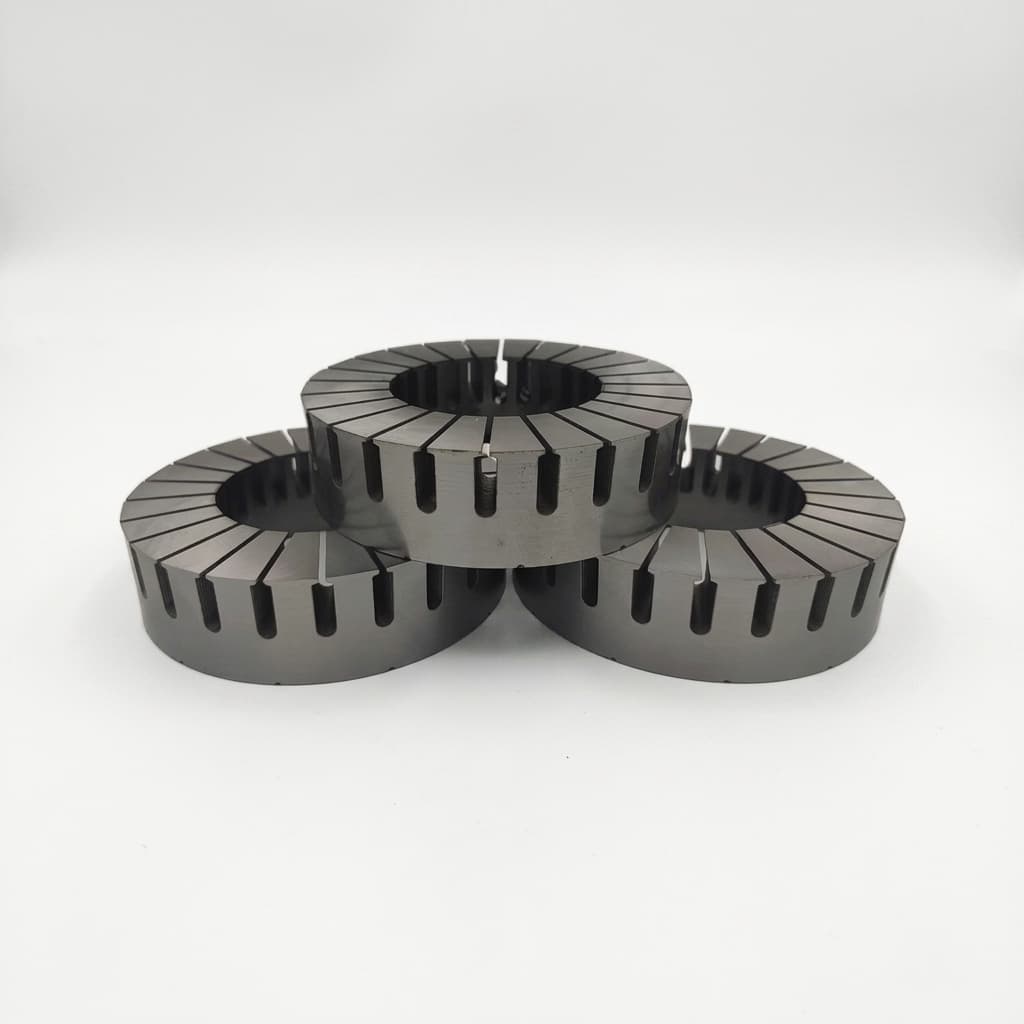
Factory Fit Signals

  • Peak launch torque versus continuous hill-climb thermal limits
  • Controller current limit, field weakening need, and regen behavior
  • Mounting envelope, sealing, vibration, and serviceability
  • Cable exit, wheel-side or reduction-side interface, and vehicle IP target

Validation Evidence

  • Peak and continuous torque: Light EV buyers often over-focus on peak torque while continuous thermal output defines real usability.
  • DC bus voltage: Voltage changes winding design, current, copper loss, inverter choice, and cable sizing.
  • Gradeability thermal point: Hill-climb or low-speed loaded operation usually sets continuous torque and cooling requirements.
  • Package interface: A motor that meets torque targets can still fail the program if the drivetrain interface is not frozen early.

RFQ Preparation Checklist

  1. Vehicle mass, wheel size, target acceleration, gradeability, and top speed
  2. Battery voltage, controller model, peak/continuous current, and cooling plan
  3. Packaging drawing, shaft or hub interface, and environmental rating
  4. Direct-drive or reduction-drive preference, brake need, and service access limits
  5. Required sample evidence: no-load, back EMF, torque-speed, heat-rise, or road-test support data
Risk and Mitigation

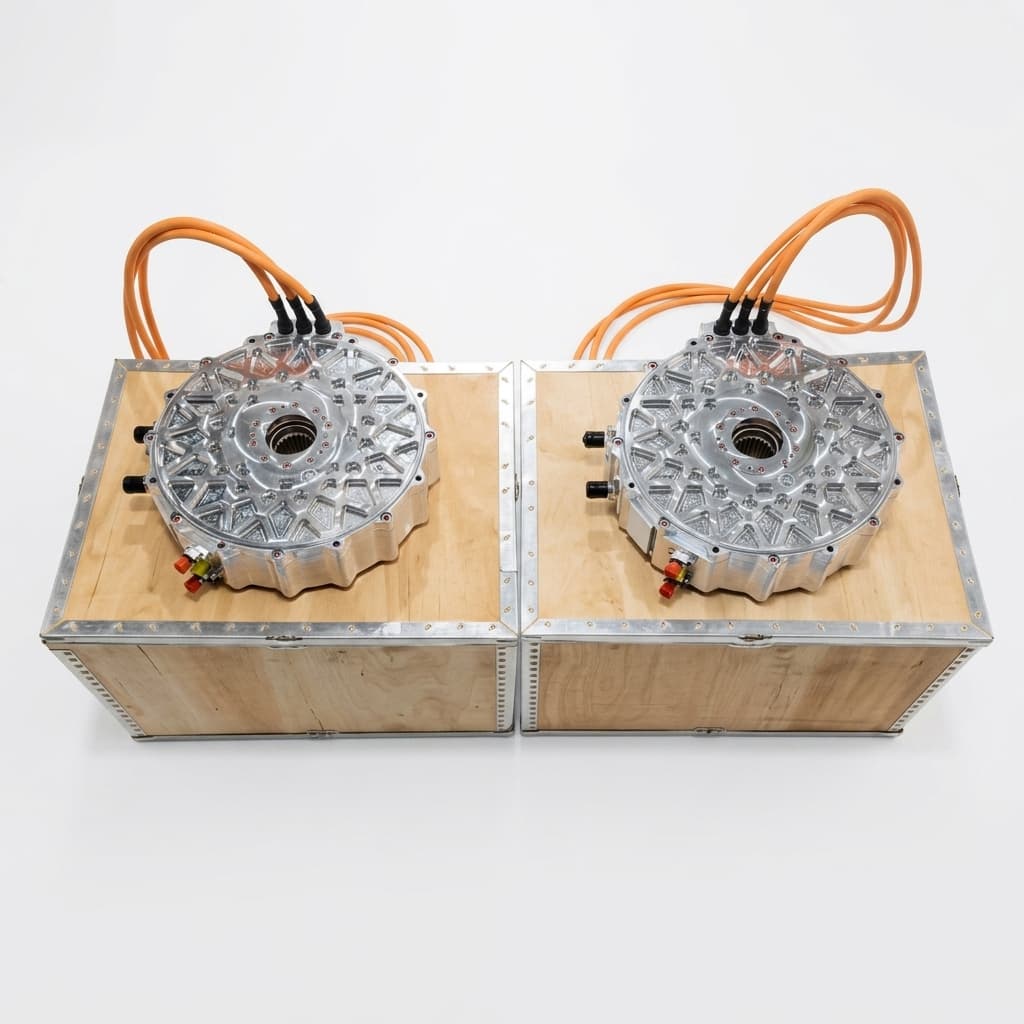
  • Prototype overheats in hill-climb operation: Validate thermal model against continuous torque and realistic vehicle duty cycle.
  • Controller mismatch creates weak performance: Review phase current, encoder, motor constants, and control algorithm before sample build.
  • Peak launch torque is treated as continuous vehicle torque: Separate S2 overload, cruise, gradeability, and thermal soak points in the RFQ and test plan.

Application Validation and QC Flow

Application pages should help buyers decide what to validate first. This flow connects the scenario, architecture fit, sample evidence, and supplier handoff records before a pilot lot is approved.

StepDecision LogicEvidence to Request
Duty mappingVehicle mass, wheel size, target acceleration, gradeability, and top speed; Battery voltage, controller model, peak/continuous current, and cooling planOperating profile, load points, envelope drawing, and controller assumptions.
Architecture fitPeak launch torque versus continuous hill-climb thermal limits; Controller current limit, field weakening need, and regen behaviorCooling route, mounting interface, feedback method, and risk items that change the AFPM topology.
Prototype gatePeak and continuous torque, DC bus voltage, Gradeability thermal point, Package interfaceMeasured sample records matched to the application duty, not just no-load bench data.
Pilot releaseValidate thermal model against continuous torque and realistic vehicle duty cycle.; Review phase current, encoder, motor constants, and control algorithm before sample build.; Separate S2 overload, cruise, gradeability, and thermal soak points in the RFQ and test plan.Approved CTQs, revision control, nonconformance handling, packaging, and delivery milestones.

Recommended Products

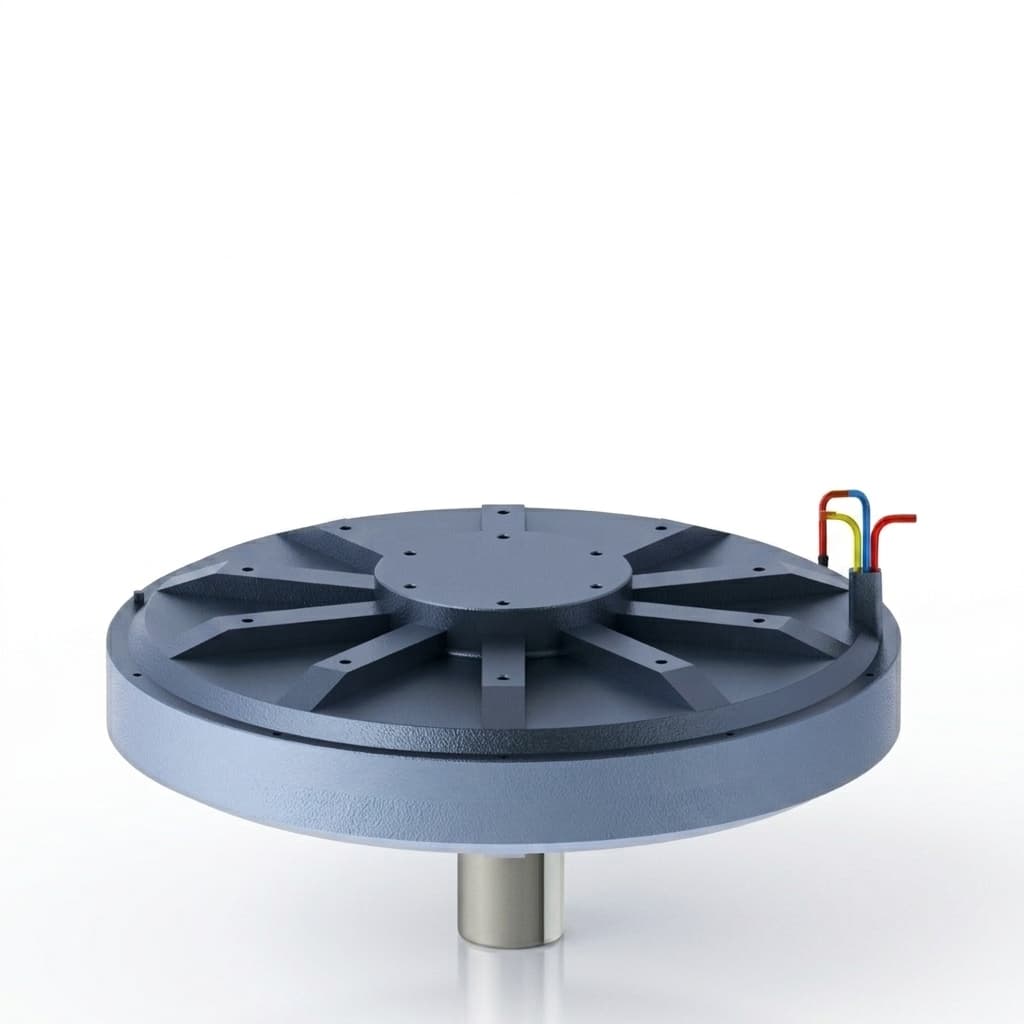
Two-Wheeler EV Axial Flux Motor — view 1
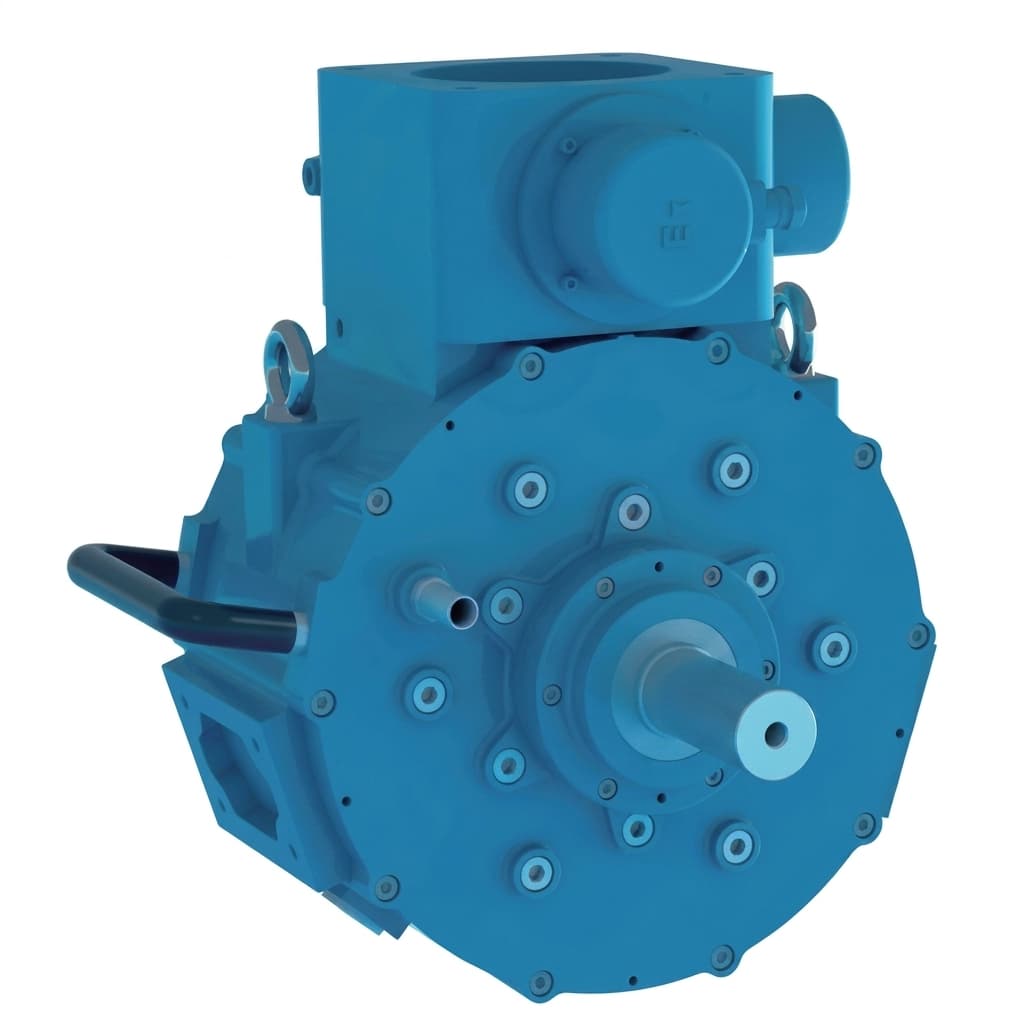
Automotive EV Axial Flux Motor — view 2
Two-Wheeler EV Axial Flux Motor — view 2
Liquid-Cooled Axial Flux Motor — view 1
High-Torque Axial Flux Motor — view 1

Buyer FAQ

Can AFPM motors be used in hub motors?

Sometimes. Hub use depends on diameter, sealing, bearing load, controller, cooling, and serviceability requirements.

Should a light EV project start with direct drive or reduction drive?

Start from wheel torque, speed range, available diameter, noise target, and thermal limit. Direct drive can simplify mechanics, while reduction drive may be better when wheel diameter or inverter current is constrained.

What validation data matters before vehicle road testing?

Useful evidence includes no-load current, back EMF, torque-speed points, winding temperature rise, controller feedback confirmation, and mounting/interface inspection records.

Related Resources

  • Axial Flux PM Motors
  • Dual-Rotor AFPM Motors
  • AFPM Quality Validation
  • Contact / RFQ

Inquiry Email

[email protected]

Open RFQ Email

Please include application, peak/continuous torque, speed range, voltage/current limit, outer diameter, axial length, cooling method, quantity, and drawings or reference samples.

Instant Chat

+86 188 5797 1991

Chat on WhatsApp

Share torque-speed, package, cooling, and sample quantity in the first message.