AFPM Motor LogoAFPM Motor
Start inquiry
AFPM Motor LogoAFPM Motor
WhatsApp
AFPM Motor LogoAFPM Motor

Axial flux permanent magnet motor OEM support for compact high-torque electric drive programs.

Inquiry Email

[email protected]

Open RFQ Email

Please include application, peak/continuous torque, speed range, voltage/current limit, outer diameter, axial length, cooling method, quantity, and drawings or reference samples.

Instant Chat

+86 188 5797 1991

Chat on WhatsApp

Share torque-speed, package, cooling, and sample quantity in the first message.

Products
  • Axial Flux PM Motors
  • Dual-Rotor AFPM Motors
  • Yokeless AFPM Motors
  • AFPM Stator & Rotor Assemblies
  • AFPM Generators
  • View All Products →
Solutions
  • Electric Motorcycle & Light EV
  • Robotics Compact Joint Drives
  • Drone & eVTOL Propulsion
  • Renewable Direct-Drive Generators
  • View All Solutions →
OEM Capabilities
  • AFPM Motor OEM Manufacturing
  • AFPM Design & Prototype Support
  • Rotor & Magnet Assembly
  • AFPM Quality Validation
  • View All Capabilities →
Resources
  • 10.5kW Motor Calculator
  • 3kW Coreless Generator Tool
  • 100mm Generator Calculator
  • 100 RPM Generator Tool
  • Blog
  • About
  • Contact / RFQ
  • Privacy Policy
  • Cookie Policy
  • Terms of Service
© 2026 AFPM Motor. All Rights Reserved.|AFPM Motor is the public-facing brand for axial flux permanent magnet motor OEM inquiries operated by Linkup Ai Co., Ltd.
Legal entity: Linkup Ai Co., Ltd.
← Back to Solutions

Drone and eVTOL Propulsion

Lightweight AFPM motor feasibility and manufacturing support for propulsion teams prioritizing power density, thermal stability, and low mass.

Target Buyer:Best for aerospace and drone R&D teams that already understand AFPM benefits but need manufacturing feedback on the selected topology.
Discuss Application FitPrepare RFQ Inputs
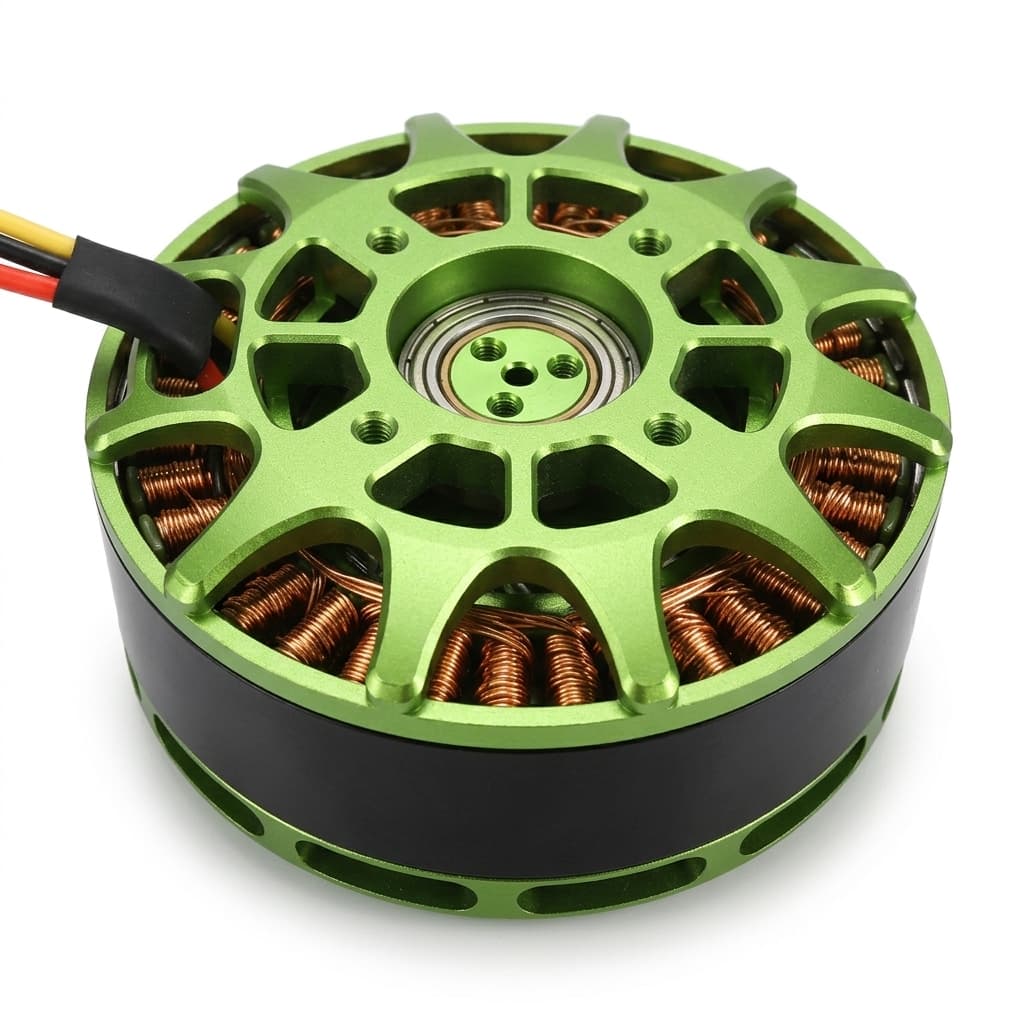
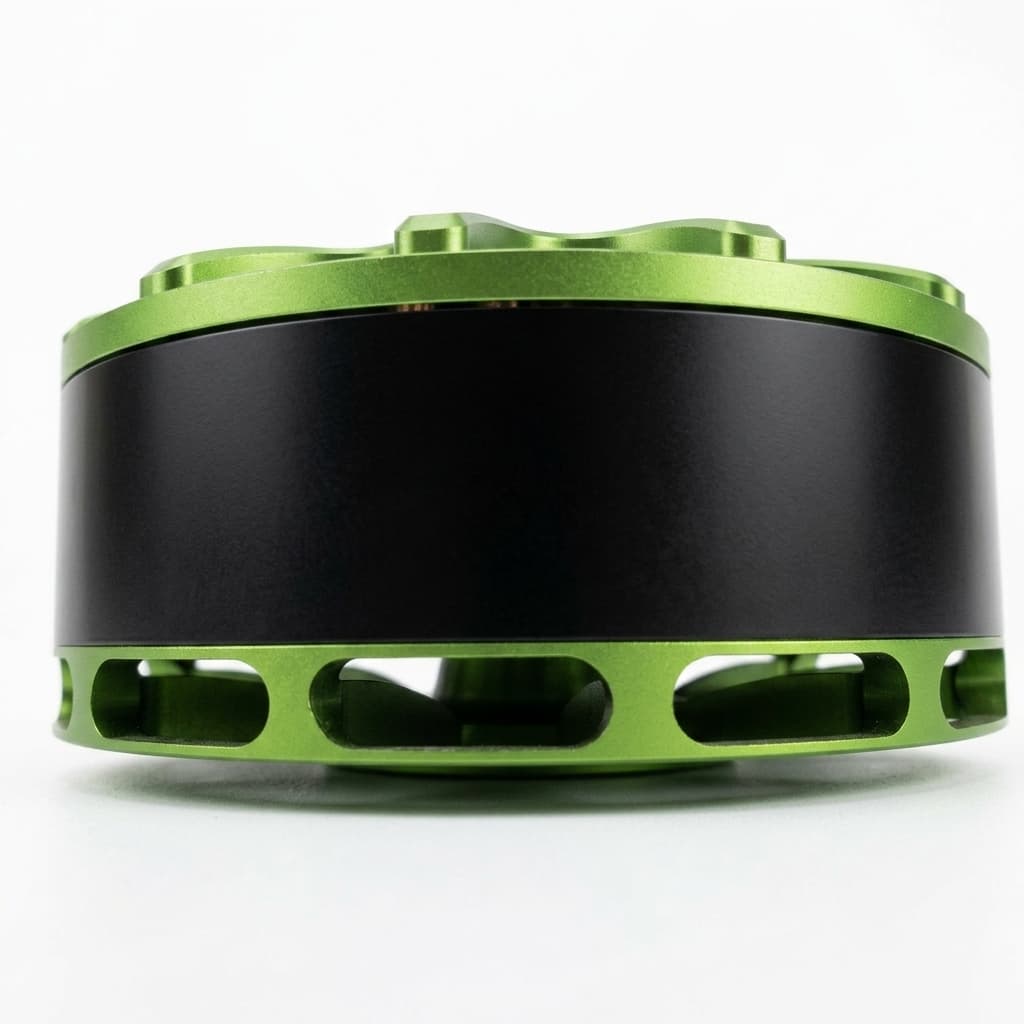
Heavy-Lift Brushless Drone Motor 9040 — view 1

Solution Highlights

  • Mass, cooling, and continuous power review for flight-duty profiles
  • Yokeless, segmented, and slotless concept manufacturability discussion
  • Rotor containment and overspeed safety margin planning
  • Prototype evidence framework for buyer-side validation

Common Use Cases

  • Heavy-lift drones
  • eVTOL demonstrators
  • Aerospace propulsion R&D
  • High-efficiency generators

Implementation Focus

  • Power density, mass target, continuous thermal limit, and overspeed margin
  • Rotor containment, vibration, balance, and environmental exposure
  • Manufacturing feasibility of stator segmentation and winding method
  • Propeller load curve, cooling airflow, altitude assumption, and test evidence boundary

Application Evaluation Matrix

Evaluation MetricTypical RangeBuyer Relevance
Power-to-weight targetProgram-definedFlight projects require hard mass and continuous power evidence, not only bench peak power.
Overspeed marginBuyer validation definedLarge rotor disks and magnets need mechanical safety margin before flight use.
Continuous thermal pointAirflow and duty-cycle dependentFlight buyers need evidence for sustained operation, not only short bench peak power.
Balance and vibrationBuyer test method definedRotor imbalance, propeller coupling, and mounting stiffness affect noise, bearing life, and propulsion safety margin.

Buyer Decision Inputs

  • Thrust system target, motor RPM range, propeller load, and duty profile
  • Mass target, voltage, controller, cooling airflow, and altitude assumption
  • Overspeed, vibration, balance, and qualification evidence requirements
  • Continuous operating point, burst duration, allowable winding temperature, and ambient condition
  • Requested deliverables: motor only, stator/rotor set, test article, or integrated propulsion discussion

Factory Fit Signals

  • Power density, mass target, continuous thermal limit, and overspeed margin
  • Rotor containment, vibration, balance, and environmental exposure
  • Manufacturing feasibility of stator segmentation and winding method
  • Propeller load curve, cooling airflow, altitude assumption, and test evidence boundary

Validation Evidence

  • Power-to-weight target: Flight projects require hard mass and continuous power evidence, not only bench peak power.
  • Overspeed margin: Large rotor disks and magnets need mechanical safety margin before flight use.
  • Continuous thermal point: Flight buyers need evidence for sustained operation, not only short bench peak power.
  • Balance and vibration: Rotor imbalance, propeller coupling, and mounting stiffness affect noise, bearing life, and propulsion safety margin.

RFQ Preparation Checklist

  1. Thrust system target, motor RPM range, propeller load, and duty profile
  2. Mass target, voltage, controller, cooling airflow, and altitude assumption
  3. Overspeed, vibration, balance, and qualification evidence requirements
  4. Continuous operating point, burst duration, allowable winding temperature, and ambient condition
  5. Requested deliverables: motor only, stator/rotor set, test article, or integrated propulsion discussion

Risk and Mitigation

  • Prototype image looks feasible but process cannot scale: Review winding, potting, rotor retention, and inspection method before committing to tooling.
  • Peak power claim fails continuous flight duty: Quote against continuous thermal points and airflow assumptions, not only burst figures.
  • Certification expectations are implied by component data: Keep component manufacturing evidence separate from aircraft-level qualification, which remains buyer responsibility.

Application Validation and QC Flow

Application pages should help buyers decide what to validate first. This flow connects the scenario, architecture fit, sample evidence, and supplier handoff records before a pilot lot is approved.

StepDecision LogicEvidence to Request
Duty mappingThrust system target, motor RPM range, propeller load, and duty profile; Mass target, voltage, controller, cooling airflow, and altitude assumptionOperating profile, load points, envelope drawing, and controller assumptions.
Architecture fitPower density, mass target, continuous thermal limit, and overspeed margin; Rotor containment, vibration, balance, and environmental exposureCooling route, mounting interface, feedback method, and risk items that change the AFPM topology.
Prototype gatePower-to-weight target, Overspeed margin, Continuous thermal point, Balance and vibrationMeasured sample records matched to the application duty, not just no-load bench data.
Pilot releaseReview winding, potting, rotor retention, and inspection method before committing to tooling.; Quote against continuous thermal points and airflow assumptions, not only burst figures.; Keep component manufacturing evidence separate from aircraft-level qualification, which remains buyer responsibility.Approved CTQs, revision control, nonconformance handling, packaging, and delivery milestones.

Recommended Products

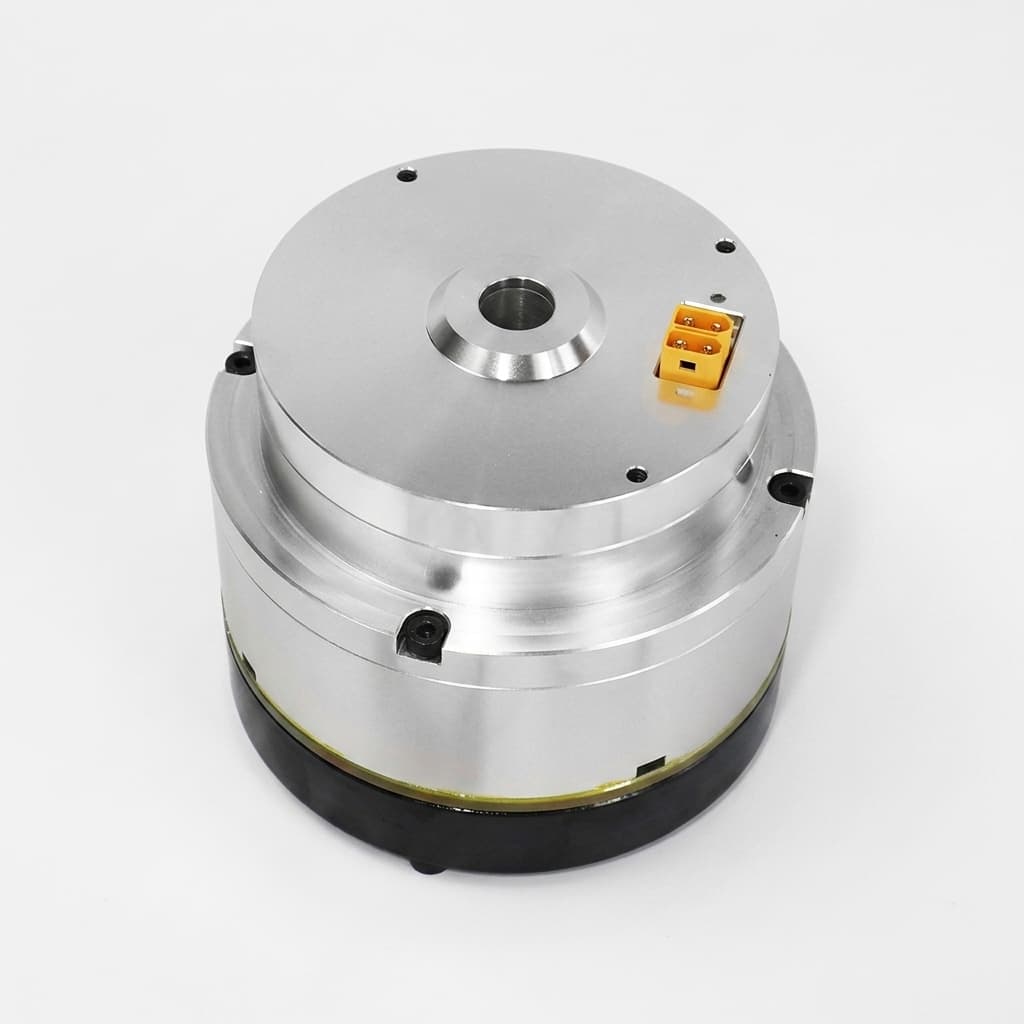
Large-Thrust Pancake Brushless Motor — view 1
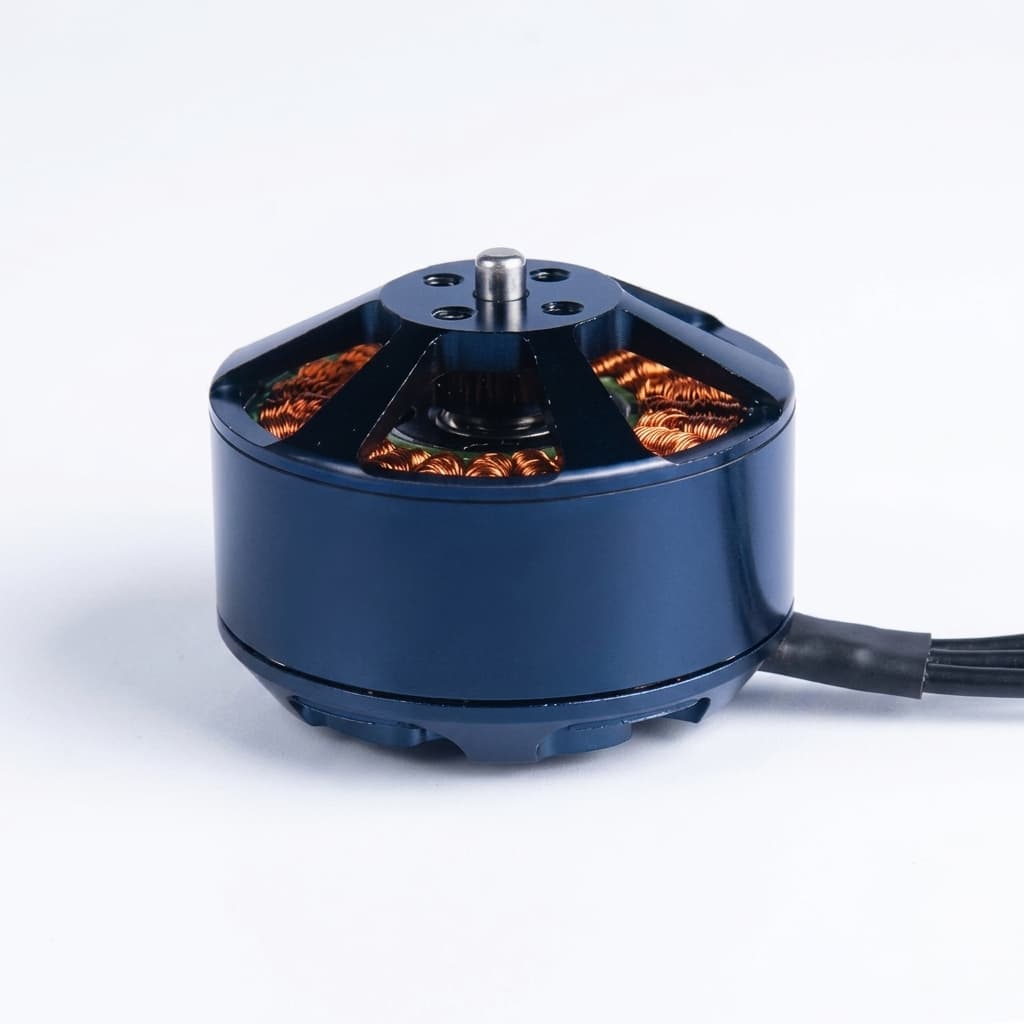
Multirotor Brushless Motor D4114 — view 1
Quadcopter Brushless Motor V3508 — view 1
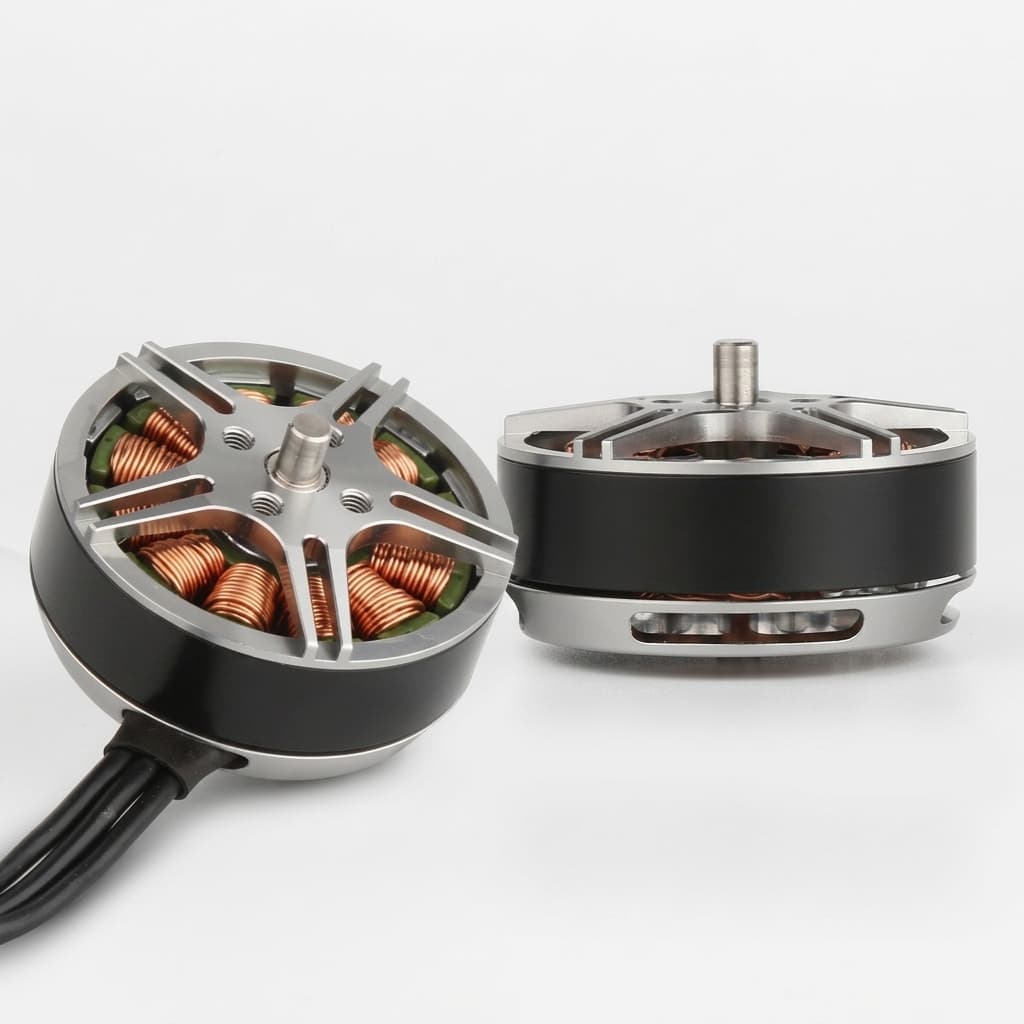
Ultralight Axial Flux Motor — view 1
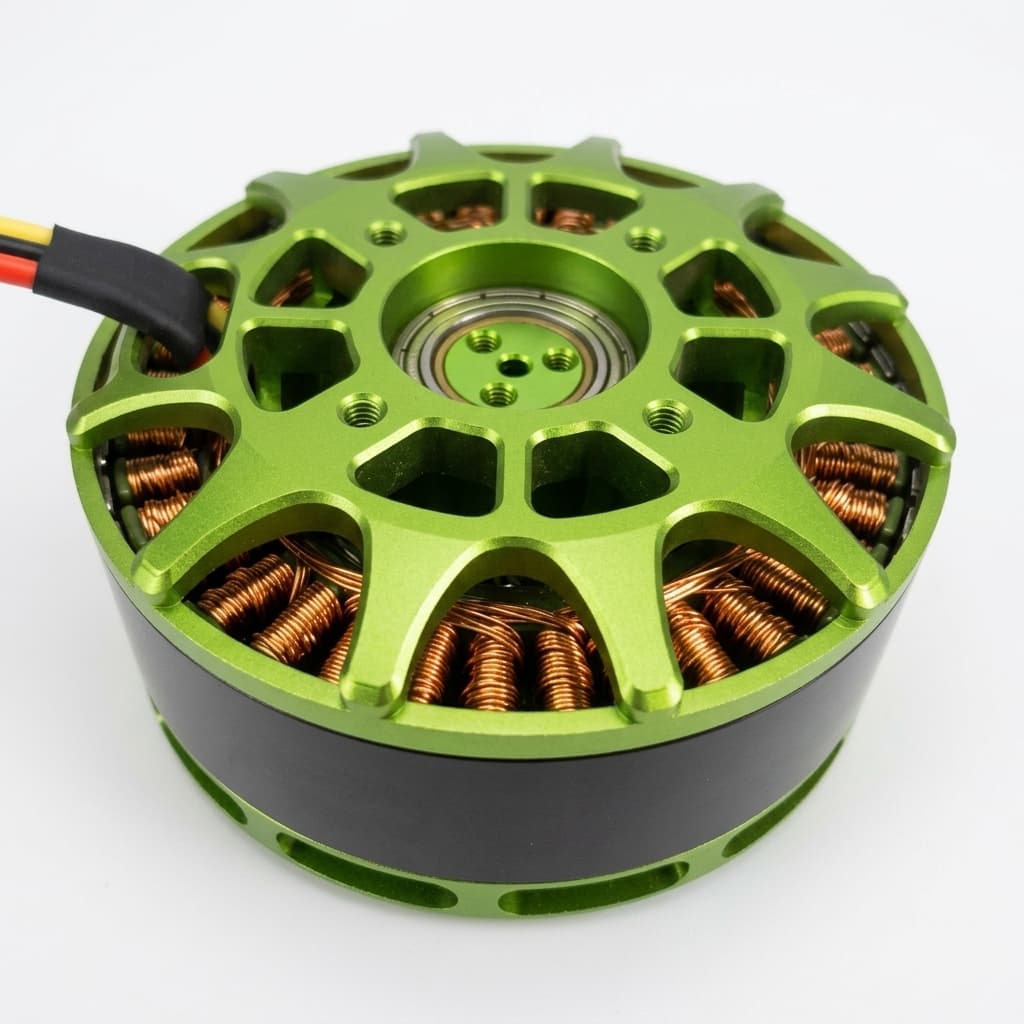
Heavy-Lift Brushless Drone Motor 9040 — view 2

Buyer FAQ

Do you claim flight certification?

No. We support component manufacturing and prototype validation evidence. Final aircraft qualification remains buyer responsibility.

What information is needed for a drone propulsion AFPM quote?

Include propeller load or thrust target, RPM range, voltage, controller limits, continuous and burst duty, mass target, cooling airflow, vibration limits, and required test evidence.

Can you support integrated motor and ESC discussions?

We can review controller compatibility, sensor needs, and wiring constraints, but final integrated propulsion responsibility depends on the agreed project scope and validation plan.

Related Resources

  • Yokeless AFPM Motor Programs
  • Dual-Rotor AFPM Motors
  • Quality Validation
  • Contact / RFQ

Inquiry Email

[email protected]

Open RFQ Email

Please include application, peak/continuous torque, speed range, voltage/current limit, outer diameter, axial length, cooling method, quantity, and drawings or reference samples.

Instant Chat

+86 188 5797 1991

Chat on WhatsApp

Share torque-speed, package, cooling, and sample quantity in the first message.