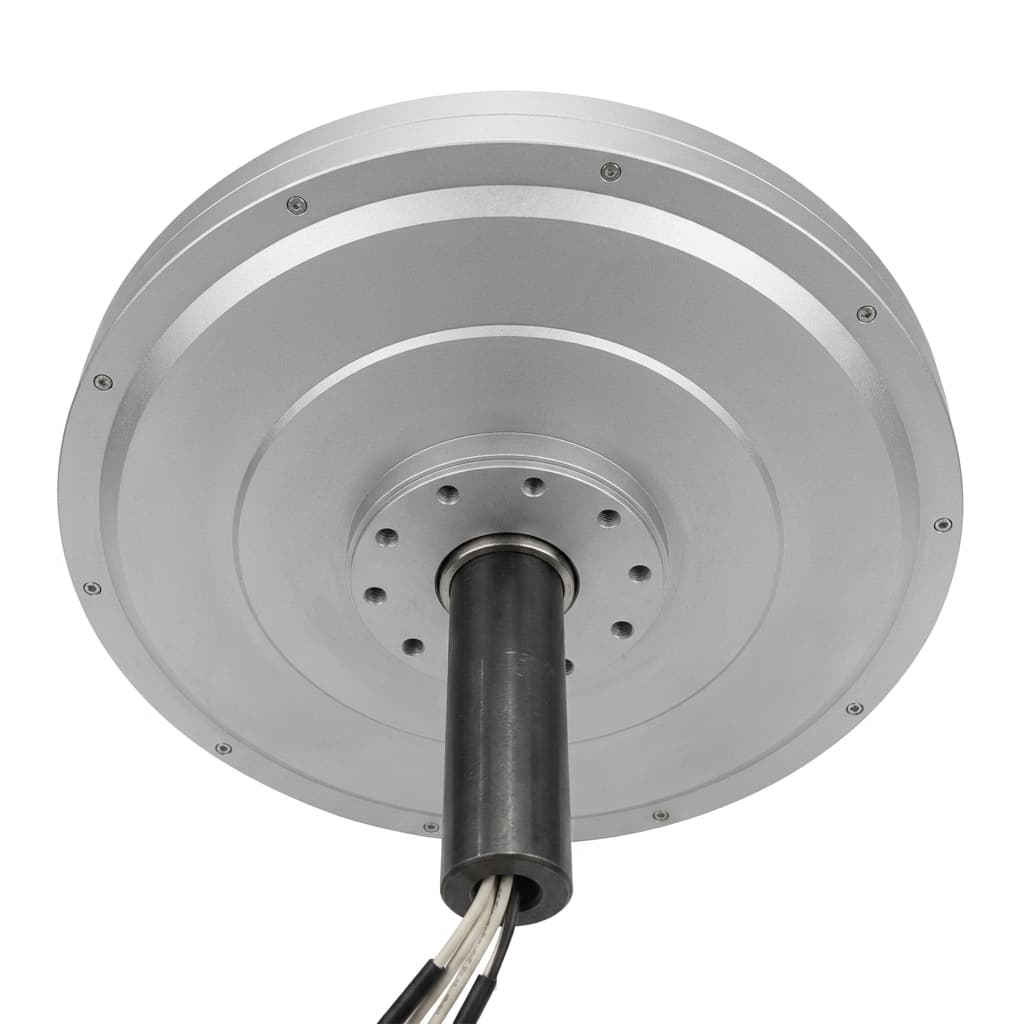
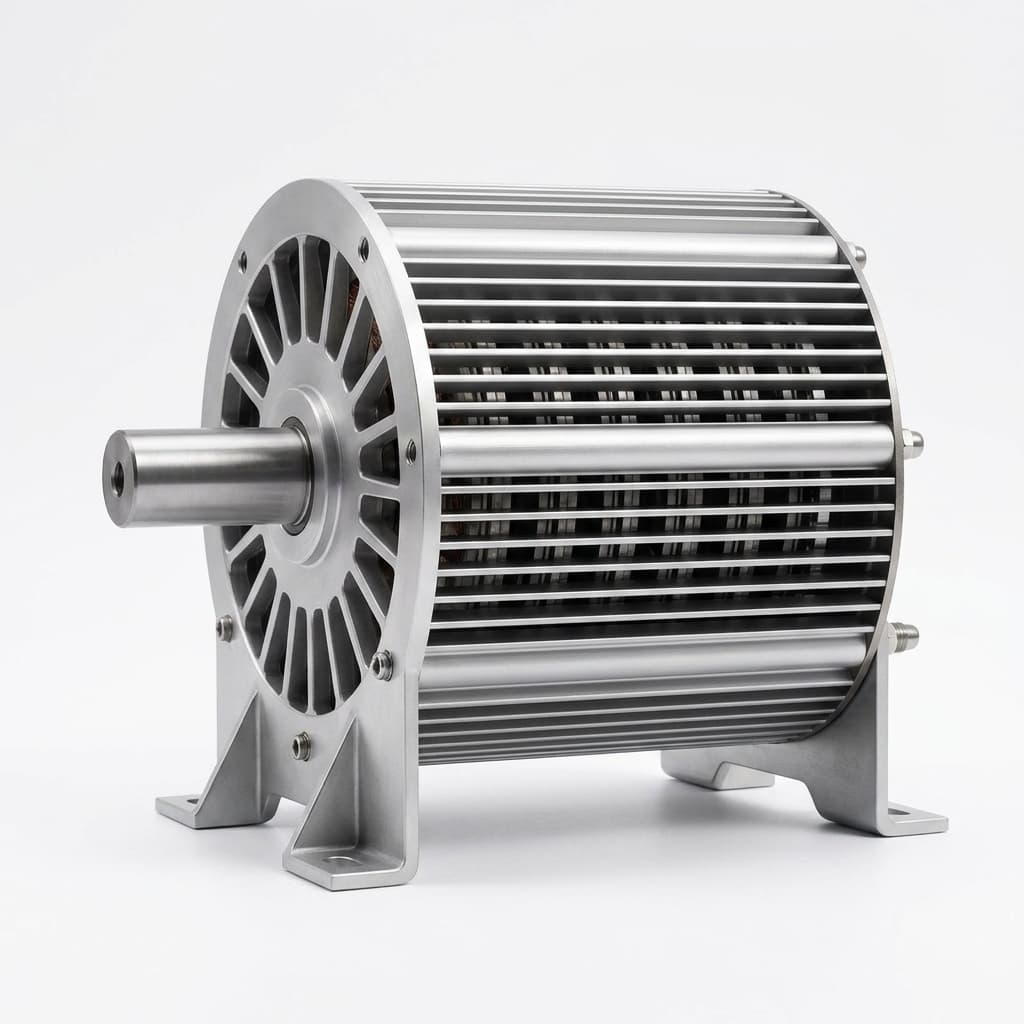
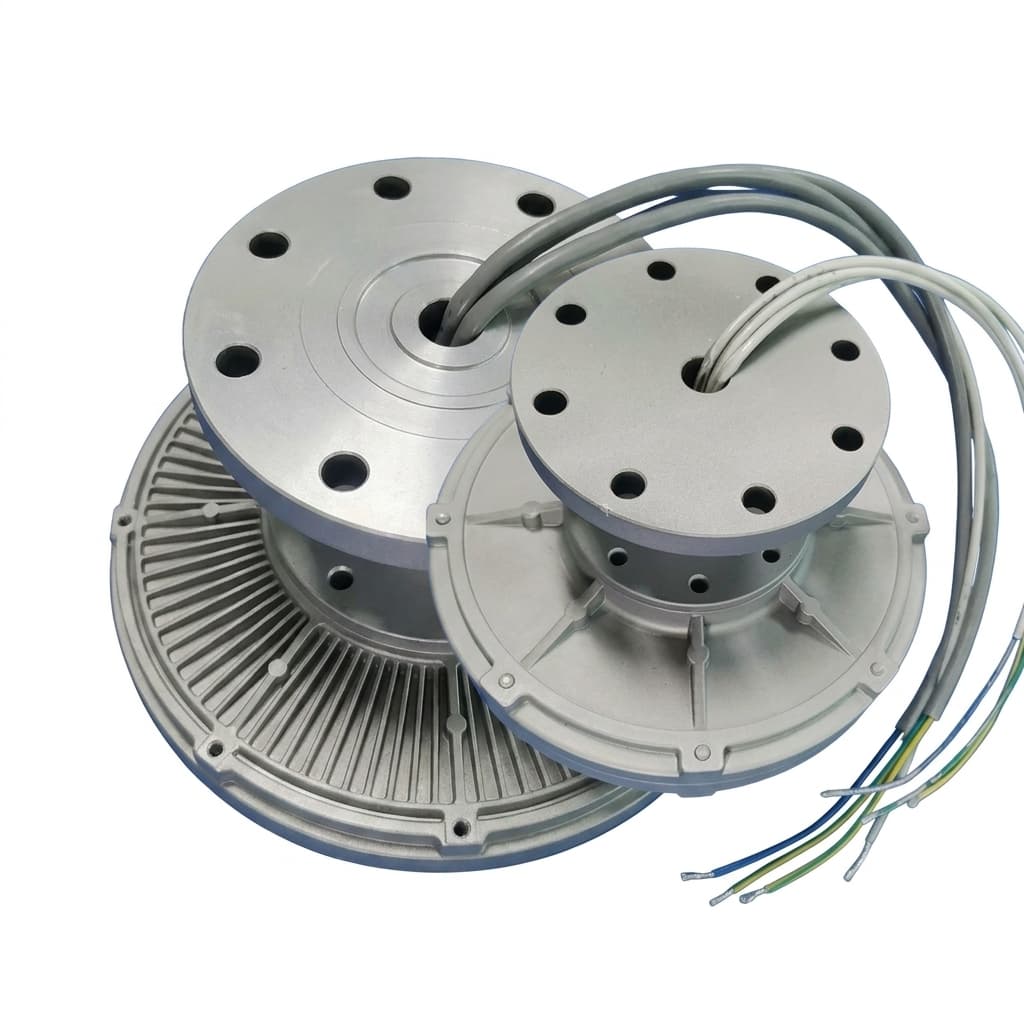
AFPM Motor LogoAFPM Motor
Start inquiry
AFPM Motor LogoAFPM Motor
WhatsApp
AFPM Motor LogoAFPM Motor

Axial flux permanent magnet motor OEM support for compact high-torque electric drive programs.

Inquiry Email

[email protected]

Open RFQ Email

Please include application, peak/continuous torque, speed range, voltage/current limit, outer diameter, axial length, cooling method, quantity, and drawings or reference samples.

Instant Chat

+86 188 5797 1991

Chat on WhatsApp

Share torque-speed, package, cooling, and sample quantity in the first message.

Products
  • Axial Flux PM Motors
  • Dual-Rotor AFPM Motors
  • Yokeless AFPM Motors
  • AFPM Stator & Rotor Assemblies
  • AFPM Generators
  • View All Products →
Solutions
  • Electric Motorcycle & Light EV
  • Robotics Compact Joint Drives
  • Drone & eVTOL Propulsion
  • Renewable Direct-Drive Generators
  • View All Solutions →
OEM Capabilities
  • AFPM Motor OEM Manufacturing
  • AFPM Design & Prototype Support
  • Rotor & Magnet Assembly
  • AFPM Quality Validation
  • View All Capabilities →
Resources
  • 10.5kW Motor Calculator
  • 3kW Coreless Generator Tool
  • 100mm Generator Calculator
  • 100 RPM Generator Tool
  • Blog
  • About
  • Contact / RFQ
  • Privacy Policy
  • Cookie Policy
  • Terms of Service
© 2026 AFPM Motor. All Rights Reserved.|AFPM Motor is the public-facing brand for axial flux permanent magnet motor OEM inquiries operated by Linkup Ai Co., Ltd.
Legal entity: Linkup Ai Co., Ltd.
← Back to Products

AFPM Generators

Axial flux permanent magnet generator supply and component support for compact low-speed renewable, marine, and special industrial power platforms.
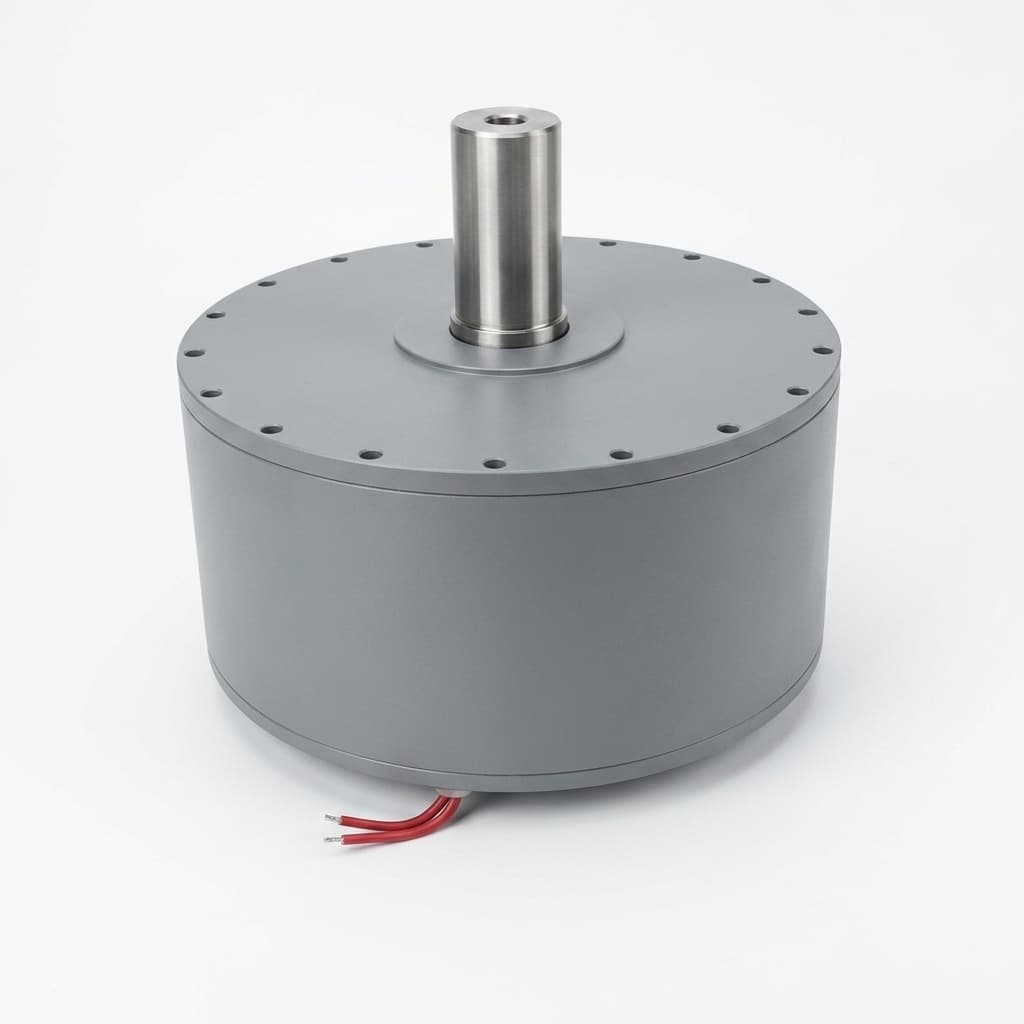
Target Buyer:Best for equipment builders and renewable system developers looking for compact axial flux generator modules or subassemblies.
Send Structured RFQPrepare RFQ Checklist
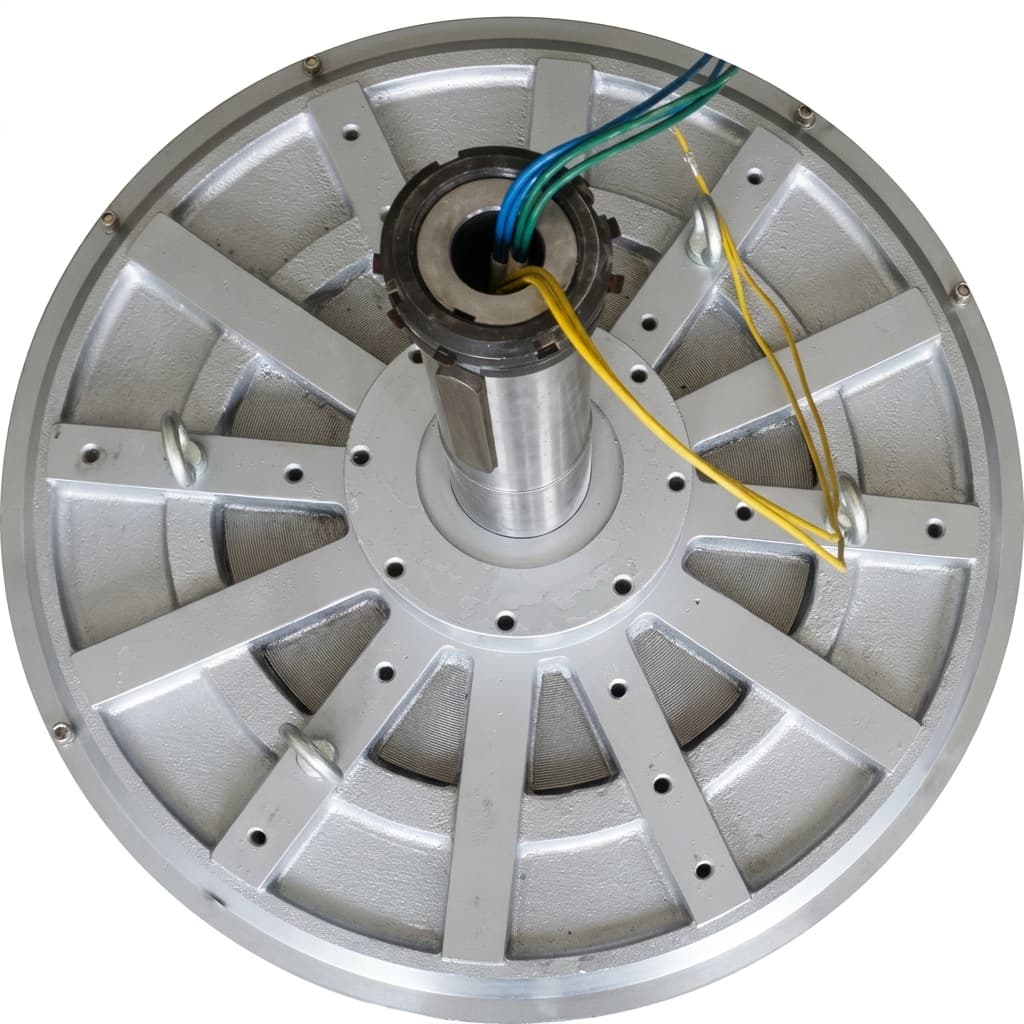
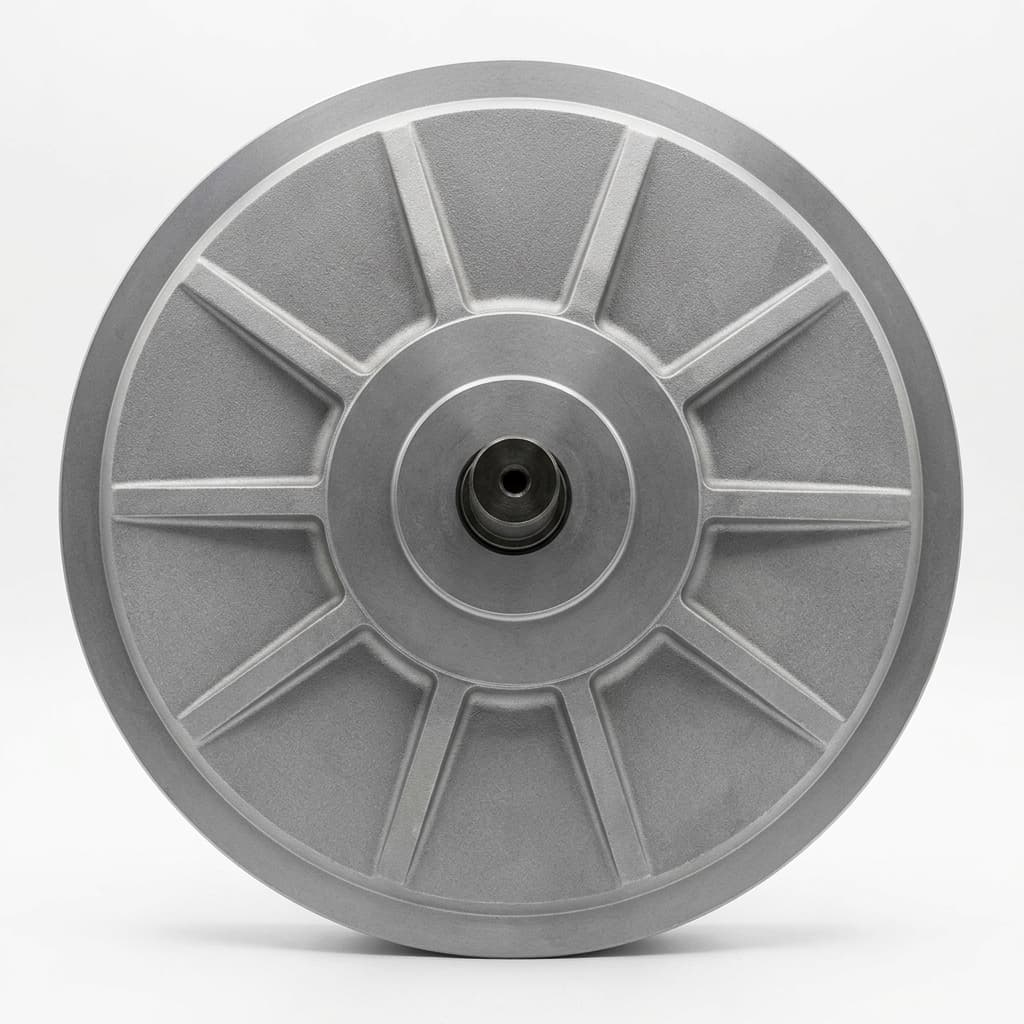
12kW Low-Speed Permanent Magnet Generator — view 1

Capability Highlights

  • Low-speed high-torque generator architecture review
  • Disc rotor, stator winding, rectifier interface, and thermal planning
  • Custom voltage, phase, and mounting interface discussion
  • Prototype and replacement generator programs for OEM buyers

Typical Applications

  • Small wind and hydro generators
  • Marine and off-grid power modules
  • Regenerative test stands
  • Special low-speed industrial power conversion

Engineering Focus

  • Target RPM, voltage, rectifier/load profile, and cogging torque limits
  • Rotor magnet layout, corrosion protection, balance, and overspeed margin
  • Winding temperature rise, insulation, potting, and environmental sealing
  • Mounting, shaft load, bearing, and serviceability requirements

Key Evaluation Matrix

MetricTypical RangeWhy It Matters
Rated RPM windowLow-speed project-specificGenerator winding and voltage selection must match actual operating speed, not only peak output.
Cogging controlTopology and pole-slot dependentLow-speed renewable systems can fail to start smoothly if cogging torque is too high.
Environmental sealingIndoor, marine, or outdoor reviewMagnet coating, bearing selection, and housing design depend on moisture and corrosion risk.

Buyer Decision Inputs

  • Rated power, voltage, RPM range, load type, and rectifier or inverter interface
  • Maximum speed, overspeed requirement, environmental exposure, and IP target
  • Outer diameter, axial length, shaft interface, and mounting drawing

Factory Capability Signals

  • Target RPM, voltage, rectifier/load profile, and cogging torque limits
  • Rotor magnet layout, corrosion protection, balance, and overspeed margin
  • Winding temperature rise, insulation, potting, and environmental sealing

Validation Evidence

  • Rated RPM window: Generator winding and voltage selection must match actual operating speed, not only peak output.
  • Cogging control: Low-speed renewable systems can fail to start smoothly if cogging torque is too high.
  • Environmental sealing: Magnet coating, bearing selection, and housing design depend on moisture and corrosion risk.

Standard Technical Parameters

The following physical and electrical parameters define the baseline envelope for this product family. Final values are governed by the specific winding and cooling configuration chosen during the RFQ process.

ParameterPlanning RangeNotes
Torque (Continuous / Peak)Project-specific after duty-cycle and cooling reviewPeak limits depend on inverter phase current; continuous depends on thermal path.
Motor Constant (KV)Winding dependent target set during electrical reviewAdjusted via turn count to match target bus voltage and speed.
Electrical InterfaceDC bus voltage, phase current, pole pairs, resistance, and inductance set per windingNeeded to match inverter limits, back EMF margin, and controller tuning.
Physical DimensionsProject-specific OD, axial length, shaft, and flange envelopeScalable by stator segmentation and single vs. dual-rotor topology.
Feedback / Brake OptionsHall sensors, encoder, resolver, temperature sensors, or holding brake reviewSelected against control loop bandwidth, safety behavior, and integration space.
Cooling MethodsNatural Air, Forced Air, Liquid Jacket, OilSelection determines continuous power rating and environmental sealing.
Mass / Rotor InertiaProject-specific after rotor disk, magnet carrier, shaft, and housing freezeRequired for acceleration estimates, balancing scope, and mechanical safety review.
IP RatingProject-specific IP target after housing and seal reviewAir-cooled and liquid or oil-cooled packages require different sealing validation.

RFQ Checklist

  1. Rated power, voltage, RPM range, load type, and rectifier or inverter interface
  2. Maximum speed, overspeed requirement, environmental exposure, and IP target
  3. Outer diameter, axial length, shaft interface, and mounting drawing
  4. Noise, cogging, temperature rise, and efficiency acceptance points
  5. Prototype quantity, annual forecast, and destination country

Risk Controls

  • Rated power is specified at unrealistic RPM: Build the quote around real operating speed distribution and electrical load behavior.
  • Outdoor corrosion reduces magnet and bearing life: Define coating, sealing, drain, and service plan before pilot shipment.

Production and QC Checkpoints

Use these checkpoints to turn a product-family discussion into a controlled sample and pilot-lot plan. The exact record set depends on the drawing, winding, rotor, cooling, and acceptance scope.

StageControl PointBuyer Evidence
RFQ freezeRated power, voltage, RPM range, load type, and rectifier or inverter interface; Maximum speed, overspeed requirement, environmental exposure, and IP targetRevisioned RFQ, package envelope, torque-speed target, and CTQ list.
Manufacturing prepTarget RPM, voltage, rectifier/load profile, and cogging torque limits; Rotor magnet layout, corrosion protection, balance, and overspeed marginMaterial route, winding target, rotor or magnet retention method, and fixture plan.
Sample validationRated RPM window, Cogging controlResistance, hipot, no-load/back EMF, runout, balance, torque-speed, or thermal records as applicable.
Pilot handoffRated power is specified at unrealistic RPM; Outdoor corrosion reduces magnet and bearing lifeLot traceability, change record, packaging approval, and outgoing inspection rhythm.

Engineering Asset Requests

Baseline parameter matrices, STEP files, and PDF datasheets may be shared after RFQ context is confirmed. Torque-speed maps and back EMF charts depend on the selected winding, cooling path, and validation scope.
Request 3D CAD (.STEP)Request Test Report / Data Sheet

Product Gallery

10kW 150RPM Coreless Pancake Wind Generator — view 1
10kW Maglev Generator — view 1
Permanent Magnet Axial Flux Hydro Generator — view 1
2000W 3-Phase AC Wind Pancake Generator — view 1
High-Efficiency Maglev Generator — view 1

Buyer FAQ

Can AFPM generators be customized for voltage?

Yes. Voltage depends on winding, speed range, phase configuration, and rectifier or inverter interface.

Do you support low-speed direct-drive generator programs?

Yes, provided the RFQ includes target RPM distribution, rated power, mounting, and environmental constraints.

Related Resources

  • AFPM Stator and Rotor Assemblies
  • Contact / RFQ

Inquiry Email

[email protected]

Open RFQ Email

Please include application, peak/continuous torque, speed range, voltage/current limit, outer diameter, axial length, cooling method, quantity, and drawings or reference samples.

Instant Chat

+86 188 5797 1991

Chat on WhatsApp

Share torque-speed, package, cooling, and sample quantity in the first message.