AFPM Motor LogoAFPM Motor
Start inquiry
AFPM Motor LogoAFPM Motor
WhatsApp
AFPM Motor LogoAFPM Motor

Axial flux permanent magnet motor OEM support for compact high-torque electric drive programs.

Inquiry Email

[email protected]

Open RFQ Email

Please include application, peak/continuous torque, speed range, voltage/current limit, outer diameter, axial length, cooling method, quantity, and drawings or reference samples.

Instant Chat

+86 188 5797 1991

Chat on WhatsApp

Share torque-speed, package, cooling, and sample quantity in the first message.

Products
  • Axial Flux PM Motors
  • Dual-Rotor AFPM Motors
  • Yokeless AFPM Motors
  • AFPM Stator & Rotor Assemblies
  • AFPM Generators
  • View All Products →
Solutions
  • Electric Motorcycle & Light EV
  • Robotics Compact Joint Drives
  • Drone & eVTOL Propulsion
  • Renewable Direct-Drive Generators
  • View All Solutions →
OEM Capabilities
  • AFPM Motor OEM Manufacturing
  • AFPM Design & Prototype Support
  • Rotor & Magnet Assembly
  • AFPM Quality Validation
  • View All Capabilities →
Resources
  • 10.5kW Motor Calculator
  • 3kW Coreless Generator Tool
  • 100mm Generator Calculator
  • 100 RPM Generator Tool
  • Blog
  • About
  • Contact / RFQ
  • Privacy Policy
  • Cookie Policy
  • Terms of Service
© 2026 AFPM Motor. All Rights Reserved.|AFPM Motor is the public-facing brand for axial flux permanent magnet motor OEM inquiries operated by Linkup Ai Co., Ltd.
Legal entity: Linkup Ai Co., Ltd.
← Back to OEM Capabilities

AFPM Quality Validation

Validation planning for AFPM motor and generator supply, focused on measurable electrical, mechanical, thermal, and assembly acceptance evidence.

Best Fit For:Best for procurement and quality teams that need AFPM sample evidence before approving a supplier or pilot order.
Discuss OEM ScopePrepare RFQ Package
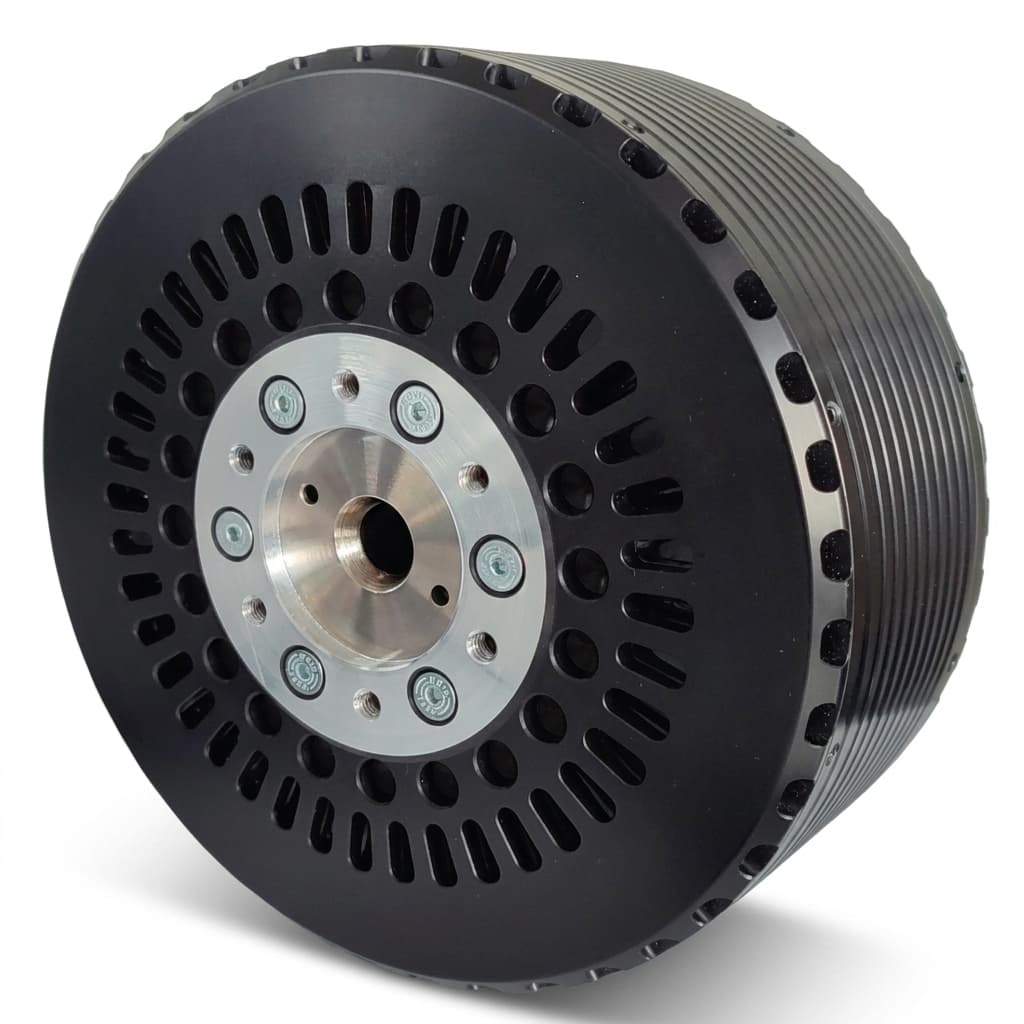
100kW Industrial Axial Flux Motor — view 4

Capability Highlights

  • Resistance, hipot, phase balance, and insulation screening
  • Rotor balance, runout, airgap, and visual inspection planning
  • Thermal rise and torque-speed test-point coordination
  • Lot traceability, revision tracking, and outgoing record alignment

Typical Engagement Scope

  • Prototype acceptance
  • Pilot lot release
  • Supplier qualification
  • Repeat order control

Execution Focus

  • CTQ selection that connects directly to buyer failure modes
  • Test method agreement before samples are shipped
  • Record format, traceability, packaging, and nonconformance handling
  • Prototype, pilot, and repeat-order checkpoints that use comparable test methods

Program Evaluation Matrix

Program MetricTypical RangeProcurement Value
Electrical screenResistance, hipot, phase balanceElectrical screening catches winding and insulation defects before integration.
Mechanical screenRunout, balance, airgap, visual checkAFPM motors are sensitive to mechanical alignment and rotor disk quality.
Thermal / torque evidenceBuyer-defined load points and temperature conditionsContinuous torque claims should be tied to measurable winding temperature and cooling assumptions.
Traceability packageRevision, lot, material, process, and outgoing record setTraceability turns sample feedback into controlled production learning.

Program Decision Inputs

  • Acceptance tests required and pass/fail thresholds
  • Inspection records, material certificates, and revision marking expectations
  • Packaging, shipment, and incoming inspection constraints
  • Torque-speed, thermal, balance, runout, airgap, resistance, hipot, and insulation evidence required by stage
  • Record format, sample labeling, nonconformance response, and change-notice requirements
Factory Capability Signals

  • CTQ selection that connects directly to buyer failure modes
  • Test method agreement before samples are shipped
  • Record format, traceability, packaging, and nonconformance handling
  • Prototype, pilot, and repeat-order checkpoints that use comparable test methods

Validation Evidence

  • Electrical screen: Electrical screening catches winding and insulation defects before integration.
  • Mechanical screen: AFPM motors are sensitive to mechanical alignment and rotor disk quality.
  • Thermal / torque evidence: Continuous torque claims should be tied to measurable winding temperature and cooling assumptions.
  • Traceability package: Traceability turns sample feedback into controlled production learning.

RFQ Preparation Checklist

  1. Acceptance tests required and pass/fail thresholds
  2. Inspection records, material certificates, and revision marking expectations
  3. Packaging, shipment, and incoming inspection constraints
  4. Torque-speed, thermal, balance, runout, airgap, resistance, hipot, and insulation evidence required by stage
  5. Record format, sample labeling, nonconformance response, and change-notice requirements
Risk and Mitigation

  • Buyer and supplier test methods differ: Agree on fixture, load point, temperature condition, and report format before PO.
  • Sample cannot be traced after design iteration: Mark each prototype with revision, lot, and key BOM identifiers.
  • Only final inspection is defined: Add in-process checks for winding, rotor disk, magnet placement, balance, and airgap-related CTQs before final test.

Program Production and QC Flow

OEM capability pages should make supplier qualification easier. Use this flow to align design responsibility, process checkpoints, outgoing records, and change control before samples move into pilot supply.

GateControl FocusRecord / Output
Scope freezeAcceptance tests required and pass/fail thresholds; Inspection records, material certificates, and revision marking expectationsQuotation boundary, drawing revision, CTQ list, sample quantity, and test responsibility.
Process controlCTQ selection that connects directly to buyer failure modes; Test method agreement before samples are shippedMaterial route, fixture plan, in-process checks, and supplier risk log.
Outgoing evidenceElectrical screen, Mechanical screen, Thermal / torque evidence, Traceability packageInspection report, electrical screen, mechanical screen, balance or thermal notes, and lot labels.
Repeat supplyAgree on fixture, load point, temperature condition, and report format before PO.; Mark each prototype with revision, lot, and key BOM identifiers.; Add in-process checks for winding, rotor disk, magnet placement, balance, and airgap-related CTQs before final test.Effective-lot change control, corrective action loop, packaging standard, and shipment milestone plan.

Related Products

High-Efficiency Axial Flux Motor — view 2
750W Asynchronous Brake Motor — view 1
Axial Flux Induction Motor — view 1
Multi-Stage Axial Flux Motor — view 1
Double Stator Axial Flux Motor — view 2

Buyer FAQ

Can you provide automotive or aerospace certification claims?

Only when confirmed by the actual supply chain and project documentation. The initial site does not claim unverified certifications.

Which AFPM tests should be agreed before PO?

Agree on resistance, phase balance, insulation resistance, hipot, no-load/back EMF, runout, balance, airgap-related checks, and any torque-speed or heat-rise points needed for acceptance.

Can outgoing records be customized by project stage?

Yes. Prototype records usually focus on learning, while pilot and repeat orders should use stable CTQs, lot IDs, drawing revisions, and nonconformance handling rules.

Related Resources

  • AFPM Motor OEM Manufacturing
  • AFPM Stator and Rotor Assemblies
  • Rotor Magnet Assembly
  • Contact / RFQ

Inquiry Email

[email protected]

Open RFQ Email

Please include application, peak/continuous torque, speed range, voltage/current limit, outer diameter, axial length, cooling method, quantity, and drawings or reference samples.

Instant Chat

+86 188 5797 1991

Chat on WhatsApp

Share torque-speed, package, cooling, and sample quantity in the first message.