
Product Capability First
Choose between complete AFPM motors, dual-rotor platforms, stator/rotor assemblies, and generators before discussing price.
Build complete motors, stator/rotor active parts, and low-speed generators with clear customization scope, test evidence, and sample-to-volume planning.
Inquiry Email
Please include application, peak/continuous torque, speed range, voltage/current limit, outer diameter, axial length, cooling method, quantity, and drawings or reference samples.
Instant Chat
+86 188 5797 1991
Share torque-speed, package, cooling, and sample quantity in the first message.
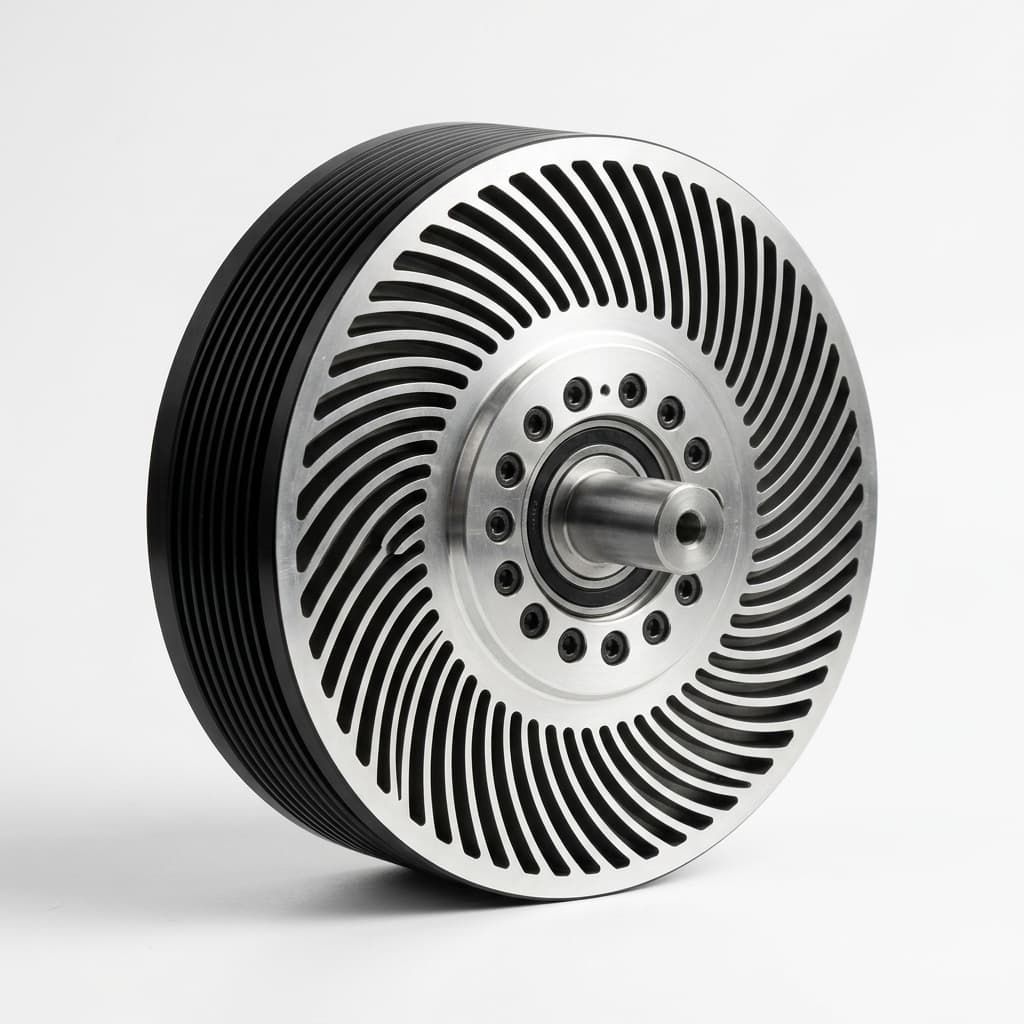
Complete AFPM motors, active parts, stator/rotor assemblies, and low-speed generators.
OD, axial length, shaft, flange, bearing stack, and sensor assumptions reviewed before quote.
Peak torque, continuous output, cooling method, voltage, and ambient target separated early.
Resistance, Hipot, insulation, no-load, back-EMF, balance, and dimensional CTQ records.
Buyer Decision Points
Compare build scope, customization boundaries, quality evidence, lead-time path, and engineering inputs before opening a quote thread.
Choose between complete AFPM motors, dual-rotor platforms, stator/rotor assemblies, and generators before discussing price.
Tie KV, voltage, shaft, flange, cooling, sensor, and IP changes to drawings, controller limits, duty cycle, and quantity plan.
Define resistance, Hipot, insulation, phase balance, no-load/back-EMF, dimensional CTQ, balance, and shipment records before sample release.
Start with RFQ review, separate tooling risk from standard adaptation, run a 4-8 week custom sample window after spec freeze, then lock pilot and volume controls.
Planning Numbers
Useful first-pass expectations for AFPM sourcing discussions; final scope depends on drawings, tests, and tooling.
Custom sample window after spec freeze
RFQ review target
Sample, pilot, and volume release gates
Product Capability
Start with buildable product scope instead of a generic supplier promise. Complete motors, active parts, dual-rotor platforms, and low-speed generators each require different drawings, tests, and quote assumptions.
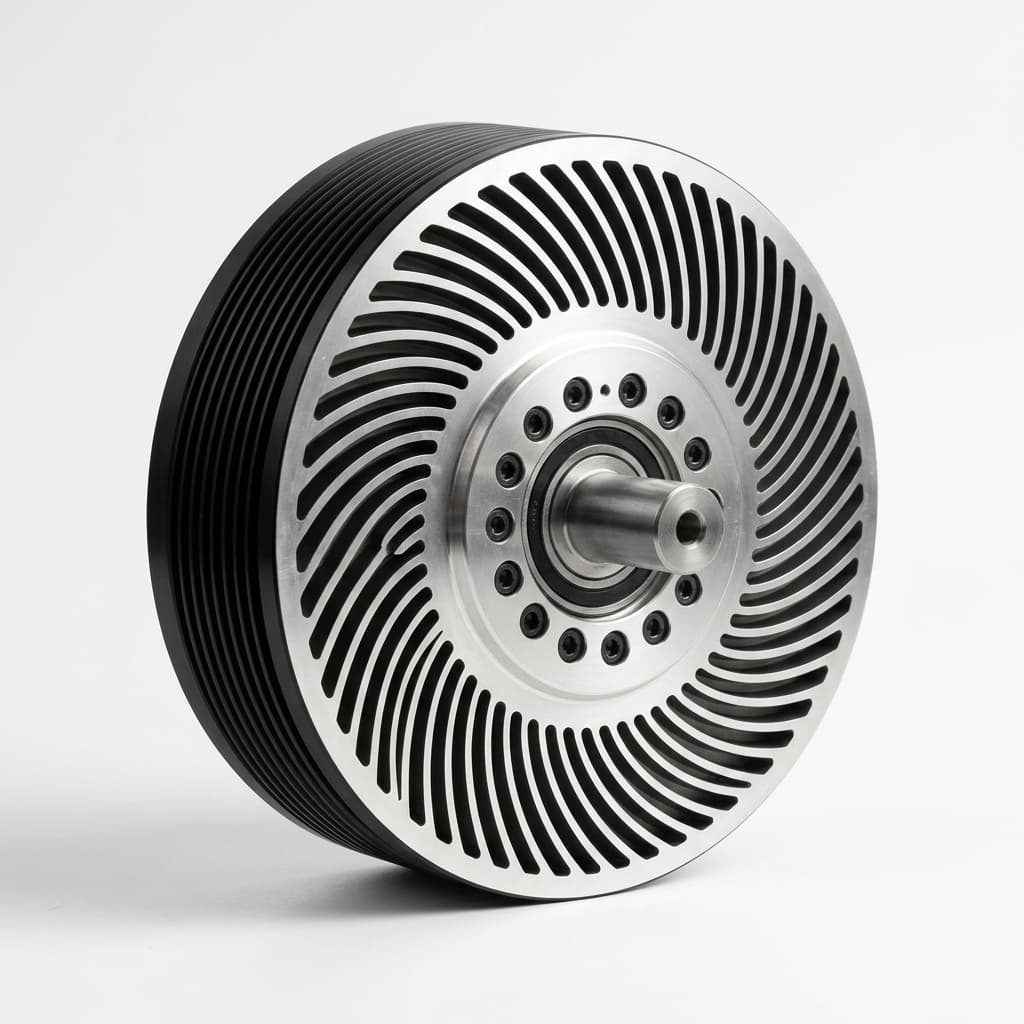
Complete AFPM motor platforms
Dual-rotor, iron-core, coreless, and compact traction packages for short axial envelopes.
Quote needs
Torque-speed target, voltage/current limit, cooling method, OD, axial length, shaft, and flange constraints.
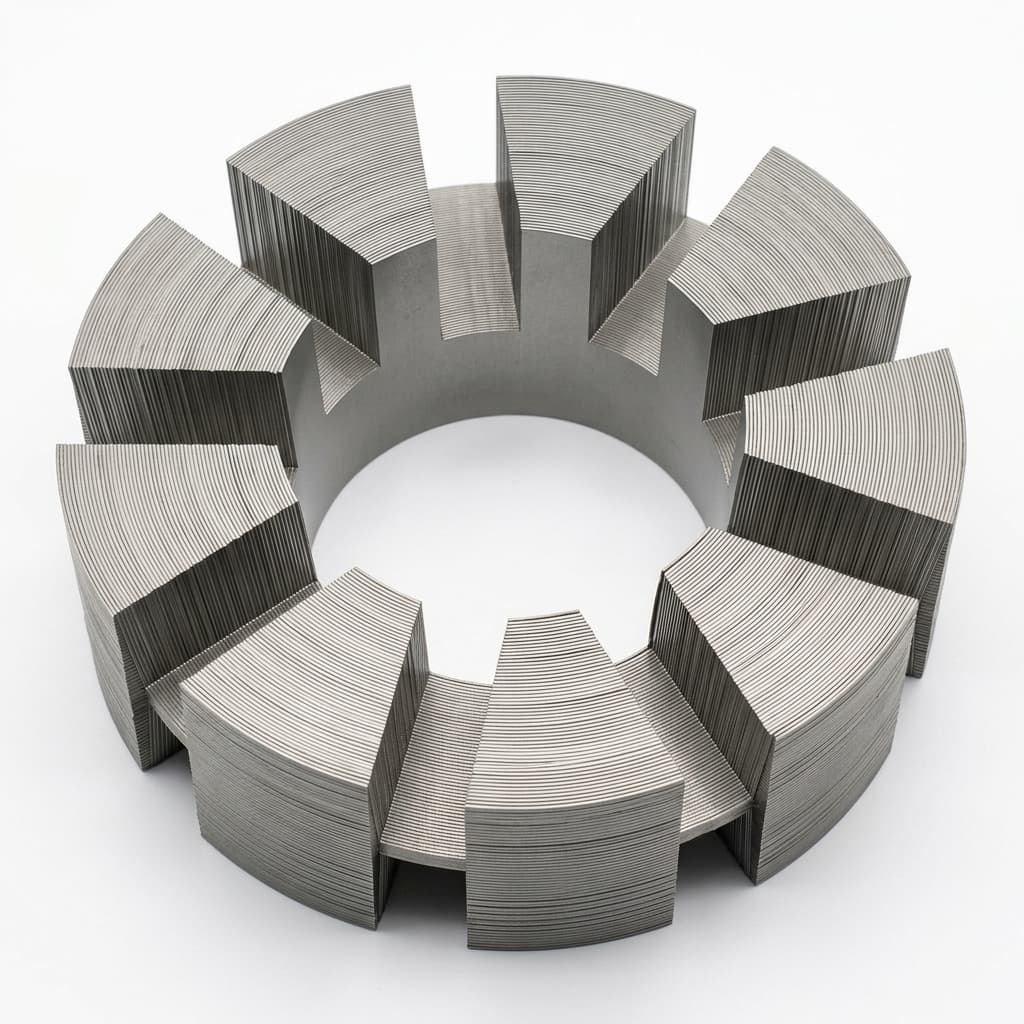
Active parts and subassemblies
Stator cores, windings, rotor disks, magnet carriers, and build-to-print assembly support.
Quote needs
2D/3D drawings, material callouts, magnet grade, winding target, CTQ list, and inspection records needed.
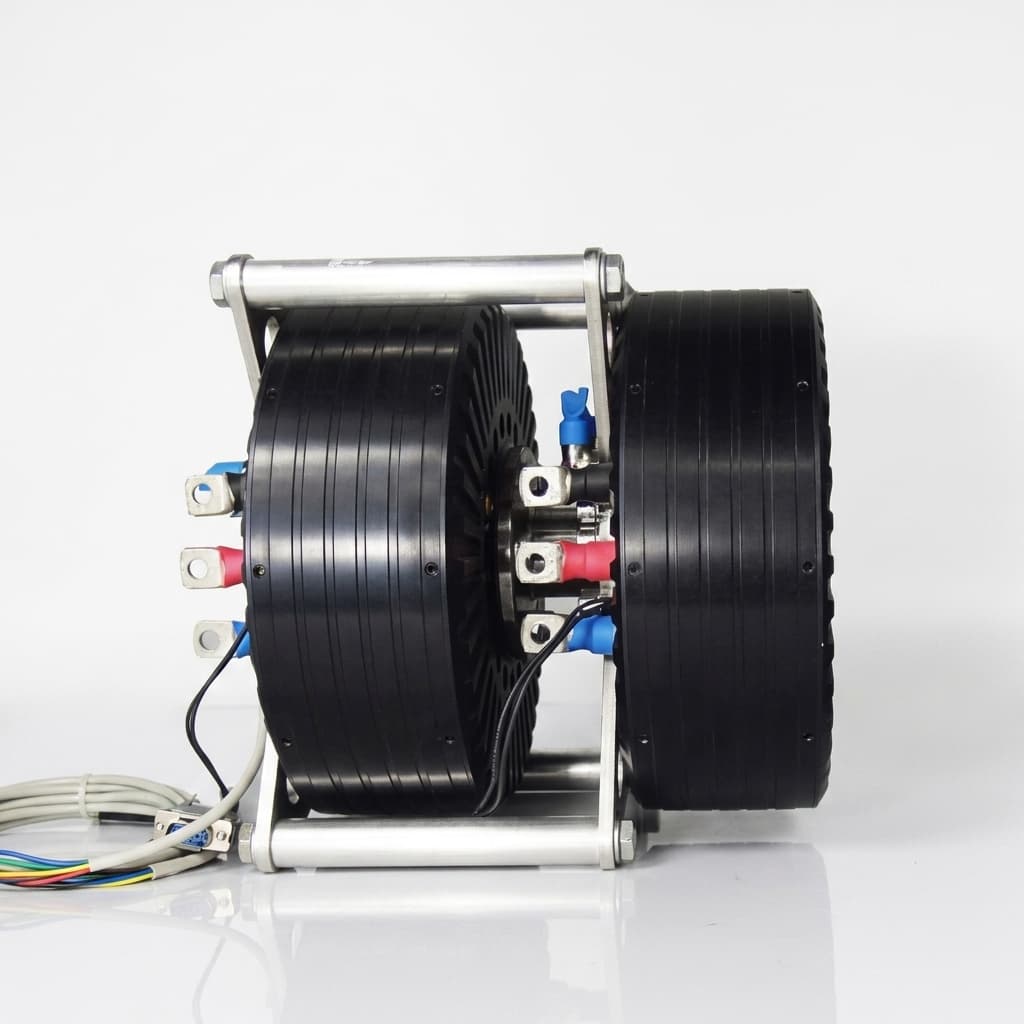
Dual-rotor high-torque builds
Rotor flatness, magnet retention, airgap control, balance grade, and safe assembly process planning.
Quote needs
Rotor concept, maximum speed, bearing stack, overspeed target, balance requirement, and thermal route.
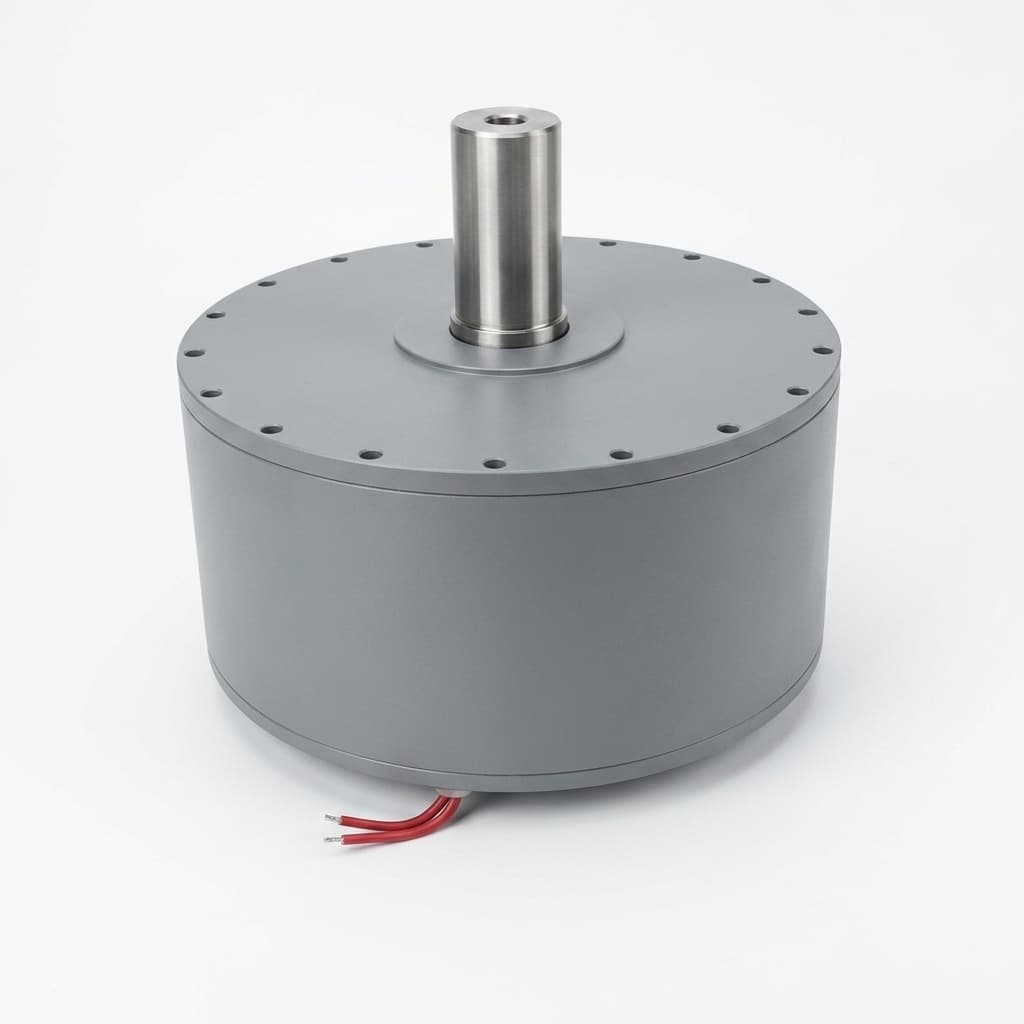
Low-speed AFPM generators
Custom voltage, low-RPM winding, cogging review, sealing, and rectifier/inverter interface planning.
Quote needs
Rated power, RPM distribution, voltage target, load type, environment, mounting, and overspeed condition.
Customization Range
Buyers usually care less about the word "custom" and more about which dimensions, electrical constants, cooling choices, and inspection records can be controlled without creating hidden tooling or validation risk.
Discuss design support| Area | Adjustable Scope | Inputs Needed |
|---|---|---|
| Electrical output | KV/RPM per volt, winding turns, phase resistance, voltage class, sensor or encoder interface. | DC bus voltage, controller current limit, base/max speed, duty cycle, feedback requirement. |
| Mechanical package | Outer diameter, axial length, shaft, flange, bearing arrangement, housing, mounting pattern. | Envelope drawing, load direction, runout/flatness targets, reducer or wheel-interface constraints. |
| Thermal and environment | Natural air, forced air, liquid jacket, case conduction, potting, IP target, temperature range. | Continuous torque window, ambient temperature, sealing requirement, vibration and corrosion exposure. |
| Supply form | Complete motor, frameless motor, stator-only, rotor-only, generator, or drawing-controlled subassembly. | Design ownership, prototype quantity, annual forecast, export destination, packaging and record format. |
Quality Control
DFM review, revision freeze, CTQ list, material assumptions, winding target, and acceptance plan.
Dimensional checks, winding resistance, phase balance, insulation resistance, Hipot, no-load and back-EMF checks.
Torque-speed or thermal sample data where required, dynamic balance, packaging test, and corrective action tracking.
Lot traceability, incoming material control, EOL records, change notice discipline, and shipment milestone control.
Sample / Volume Path
First review checks torque-speed duty, package limits, controller assumptions, cooling, and quantity plan.
We separate standard adaptation from new tooling, special test needs, and design-risk items before pricing.
Custom samples are typically planned around a 4-8 week window after the critical specifications are frozen.
Pilot lots lock CTQ records, packaging, inspection frequency, and delivery cadence before recurring orders.
Typical Applications
AFPM motors win in compact high-torque layouts, but each market has a different failure mode. Start with the application risk, then shortlist the product family.
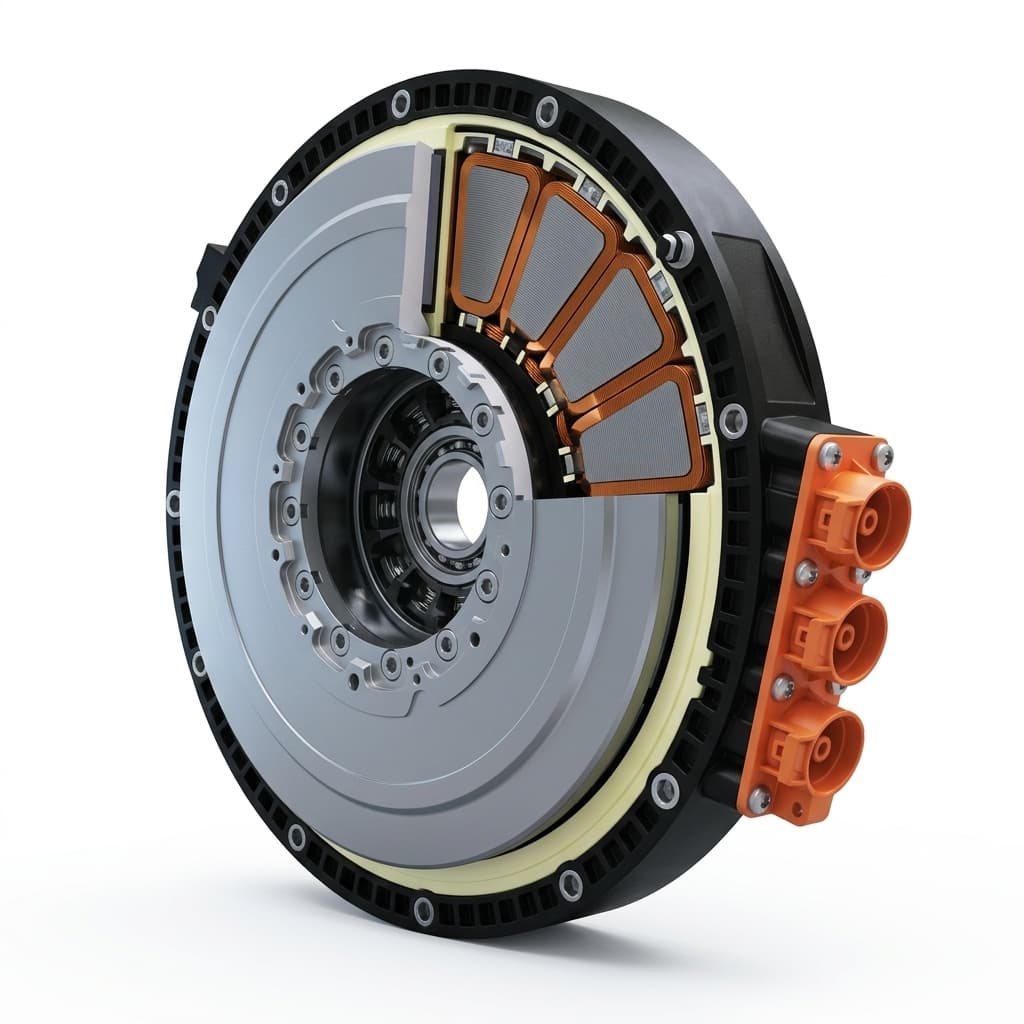
Balance launch torque, hill-climb continuous output, controller current, and cooling route.
View application fit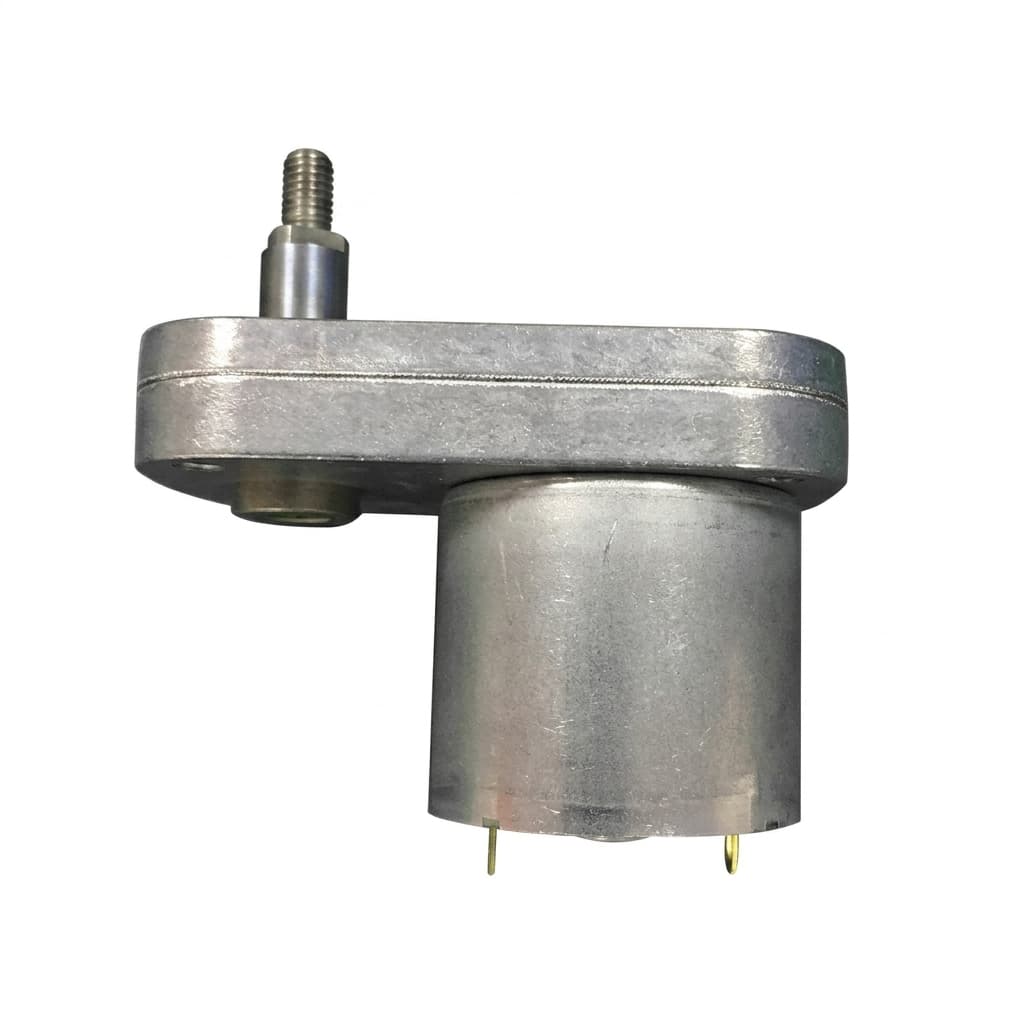
Protect axial height, low-speed smoothness, reducer/encoder fit, holding torque, and heat path.
View application fit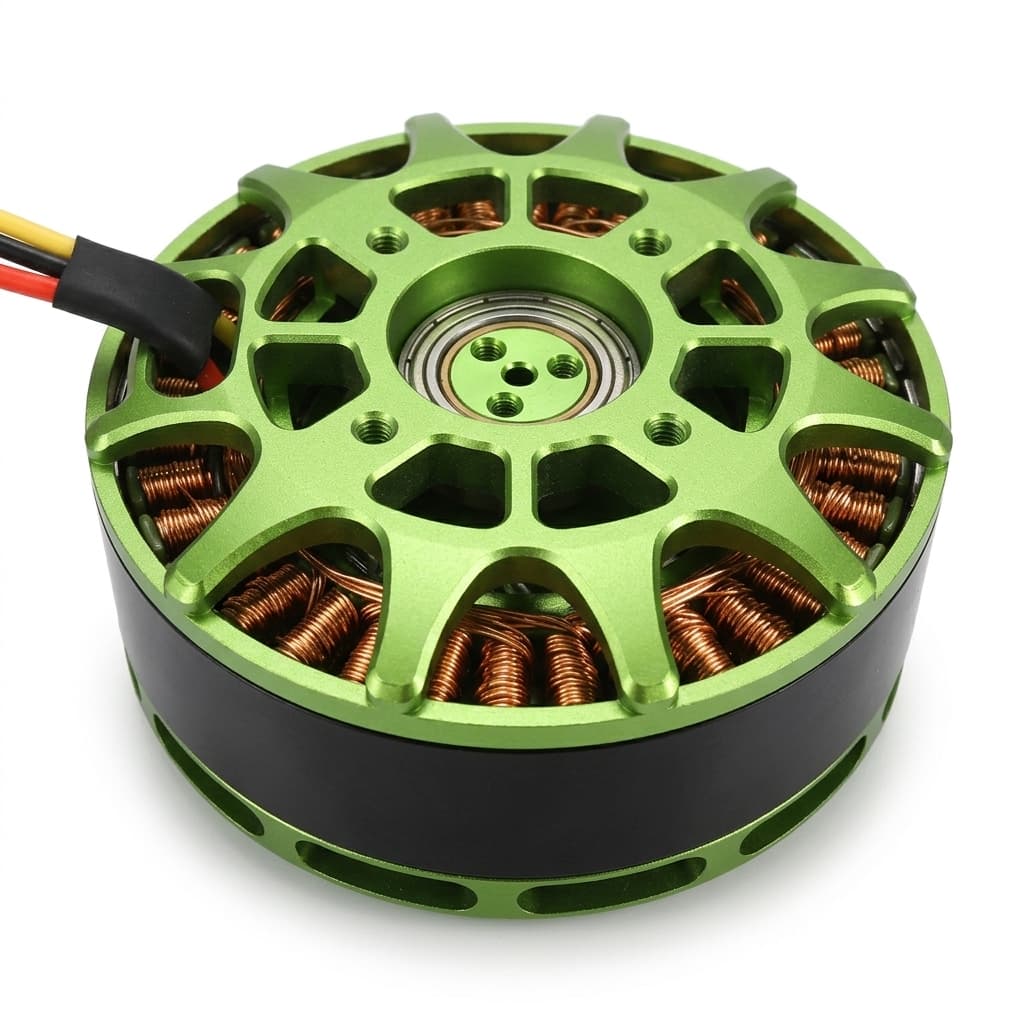
Review power density, mass, overspeed margin, rotor containment, and continuous thermal stability without overstating certification.
View application fitMatch RPM distribution, voltage output, cogging torque, sealing, rectifier load, and bearing life.
View application fitPractical buyer-side checklists, decision frameworks, and technical insights from our manufacturing engineering team.
Pan-International (Foxconn Group) invests €35.5M in Magnax to scale yokeless AFPM production. Discover the supply chain impact, risk factors, and engineering procurement actions.


Analysis of the EU MAXIMA Project's 2026 advancements in reducing 60% CRM and using modular design to overcome mass-production bottlenecks in axial flux motors.

Learn how to specify 800V axial flux motors for SiC inverters: PDIV limits, VPI checks, insulation classes, and RFQ evidence to request from suppliers.
RFQ Checklist
A useful first inquiry is not a long story. It is a compact engineering packet that tells us the operating duty, package limits, interface needs, quality records, and supply stage.
Engineering FAQ
Share application, torque-speed duty, voltage/current, package envelope, cooling method, sample quantity, annual forecast, and drawings so we can return a practical review.
Inquiry Email
Please include application, peak/continuous torque, speed range, voltage/current limit, outer diameter, axial length, cooling method, quantity, and drawings or reference samples.
Instant Chat
+86 188 5797 1991
Share torque-speed, package, cooling, and sample quantity in the first message.