AFPM Motor LogoAFPM Motor
Start inquiry
AFPM Motor LogoAFPM Motor
WhatsApp
AFPM Motor LogoAFPM Motor

Axial flux permanent magnet motor OEM support for compact high-torque electric drive programs.

Inquiry Email

[email protected]

Open RFQ Email

Please include application, peak/continuous torque, speed range, voltage/current limit, outer diameter, axial length, cooling method, quantity, and drawings or reference samples.

Instant Chat

+86 188 5797 1991

Chat on WhatsApp

Share torque-speed, package, cooling, and sample quantity in the first message.

Products
  • Axial Flux PM Motors
  • Dual-Rotor AFPM Motors
  • Yokeless AFPM Motors
  • AFPM Stator & Rotor Assemblies
  • AFPM Generators
  • View All Products →
Solutions
  • Electric Motorcycle & Light EV
  • Robotics Compact Joint Drives
  • Drone & eVTOL Propulsion
  • Renewable Direct-Drive Generators
  • View All Solutions →
OEM Capabilities
  • AFPM Motor OEM Manufacturing
  • AFPM Design & Prototype Support
  • Rotor & Magnet Assembly
  • AFPM Quality Validation
  • View All Capabilities →
Resources
  • 10.5kW Motor Calculator
  • 3kW Coreless Generator Tool
  • 100mm Generator Calculator
  • 100 RPM Generator Tool
  • Blog
  • About
  • Contact / RFQ
  • Privacy Policy
  • Cookie Policy
  • Terms of Service
© 2026 AFPM Motor. All Rights Reserved.|AFPM Motor is the public-facing brand for axial flux permanent magnet motor OEM inquiries operated by Linkup Ai Co., Ltd.
Legal entity: Linkup Ai Co., Ltd.
← Back to Solutions

Robotics Compact Joint Drives

Flat AFPM motor and subassembly support for robot joints, mobile robots, and compact torque modules where axial package height is constrained.

Target Buyer:Best for robotics teams that need compact torque sources but are still finalizing reducer, encoder, and housing architecture.
Discuss Application FitPrepare RFQ Inputs
Miniature Axial Flux Motor — view 1

Solution Highlights

  • Short axial package review for joint-module integration
  • High pole-count torque behavior and low-speed smoothness discussion
  • Encoder, brake, reducer, and housing interface planning
  • Prototype batch support for R&D teams and OEM robot builders

Common Use Cases

  • Humanoid joints
  • Exoskeletons
  • AMR drive modules
  • Service robot actuators

Implementation Focus

  • Cogging, torque ripple, low-speed control, and acoustic behavior
  • Reducer input requirements, backlash target, and bearing loads
  • Thermal extraction inside sealed or semi-sealed robot joints
  • Hollow-shaft, encoder, brake, cable routing, and joint stack constraints

Application Evaluation Matrix

Evaluation MetricTypical RangeBuyer Relevance
Axial height limitJoint-layout dependentRobot joints often justify AFPM because radial motor length blocks compact mechanical packaging.
Torque rippleControl and topology dependentRipple affects low-speed motion quality, noise, and force-control behavior.
Holding torque dutyStatic or cyclic profile defined by joint useRobot joints can overheat while holding load even when average speed is low.
Feedback integrationHall, encoder, resolver, brake, or redundant sensingControls, safety behavior, and mechanical packaging must be reviewed as one joint module.

Buyer Decision Inputs

  • Joint torque-speed profile, reducer ratio, and controller limits
  • Outer diameter, axial height, hollow-shaft need, and encoder position
  • Noise, heat-rise, backlash, and life-test acceptance criteria
  • Holding torque duty, ambient temperature, enclosure contact, and operating cycle
  • Required records: winding resistance, hipot, back EMF, runout, balance, and low-speed smoothness notes
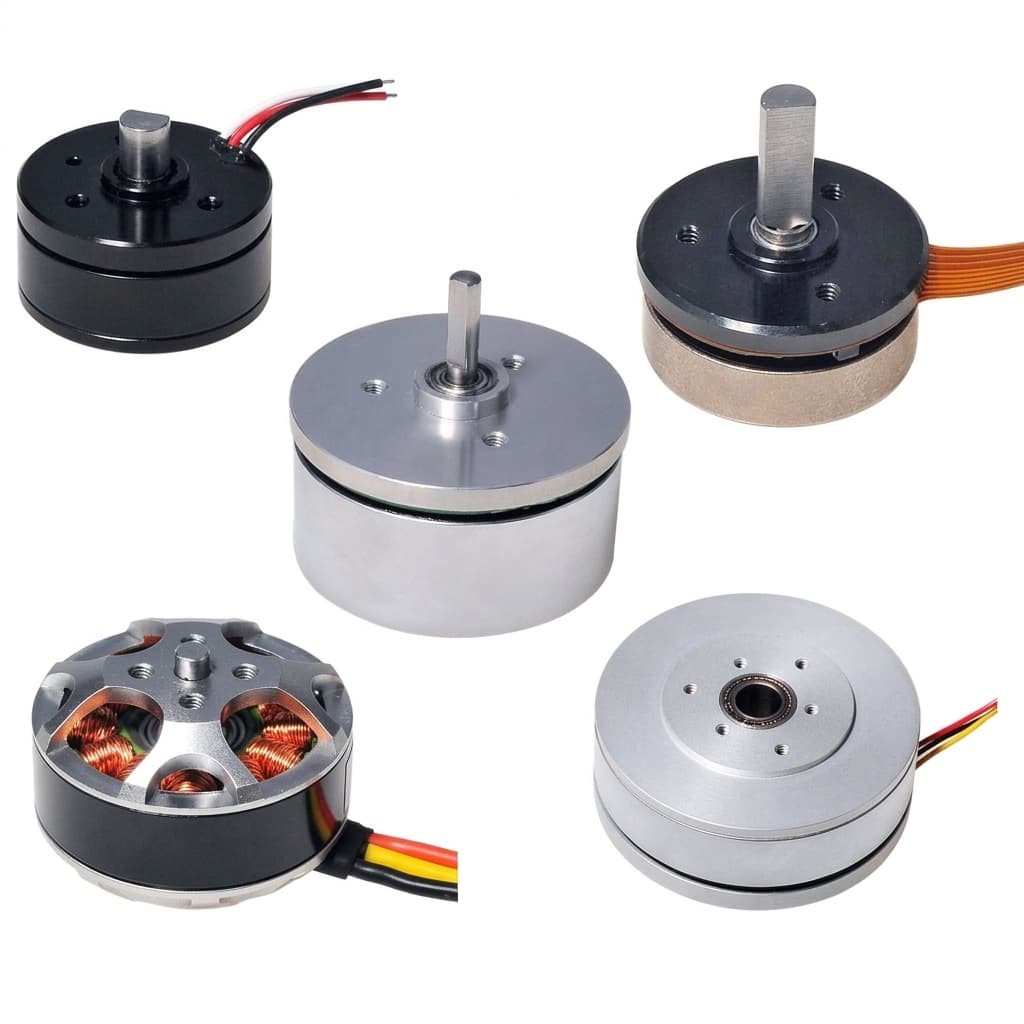
Factory Fit Signals

  • Cogging, torque ripple, low-speed control, and acoustic behavior
  • Reducer input requirements, backlash target, and bearing loads
  • Thermal extraction inside sealed or semi-sealed robot joints
  • Hollow-shaft, encoder, brake, cable routing, and joint stack constraints

Validation Evidence

  • Axial height limit: Robot joints often justify AFPM because radial motor length blocks compact mechanical packaging.
  • Torque ripple: Ripple affects low-speed motion quality, noise, and force-control behavior.
  • Holding torque duty: Robot joints can overheat while holding load even when average speed is low.
  • Feedback integration: Controls, safety behavior, and mechanical packaging must be reviewed as one joint module.

RFQ Preparation Checklist

  1. Joint torque-speed profile, reducer ratio, and controller limits
  2. Outer diameter, axial height, hollow-shaft need, and encoder position
  3. Noise, heat-rise, backlash, and life-test acceptance criteria
  4. Holding torque duty, ambient temperature, enclosure contact, and operating cycle
  5. Required records: winding resistance, hipot, back EMF, runout, balance, and low-speed smoothness notes
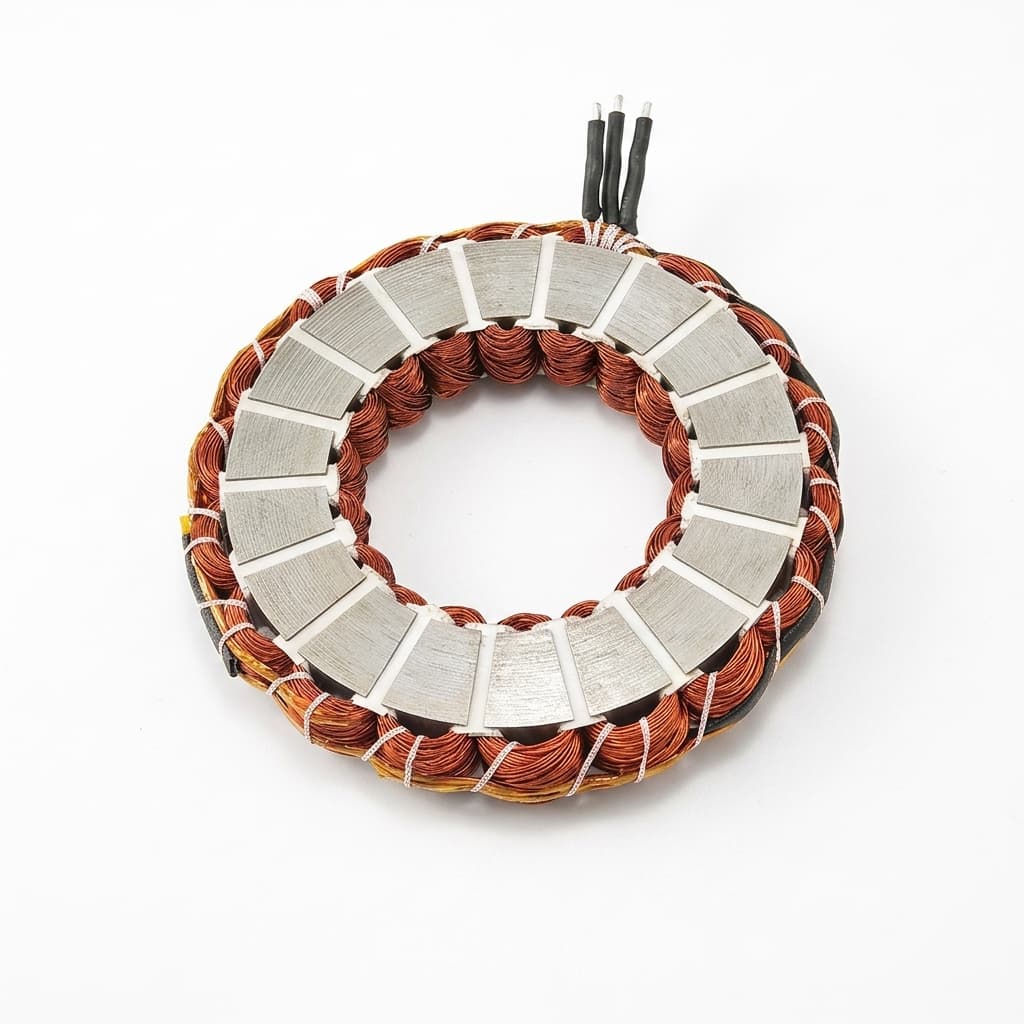
Risk and Mitigation

  • Motor envelope conflicts with reducer or encoder: Review the complete joint stack rather than quoting the motor as an isolated part.
  • Closed joint overheats during static torque: Define holding torque duty, housing contact, and heat path before prototype approval.
  • Low-speed smoothness is judged only from no-load bench spin: Validate ripple, acoustic behavior, and temperature under reducer load or representative fixture conditions.

Application Validation and QC Flow

Application pages should help buyers decide what to validate first. This flow connects the scenario, architecture fit, sample evidence, and supplier handoff records before a pilot lot is approved.

StepDecision LogicEvidence to Request
Duty mappingJoint torque-speed profile, reducer ratio, and controller limits; Outer diameter, axial height, hollow-shaft need, and encoder positionOperating profile, load points, envelope drawing, and controller assumptions.
Architecture fitCogging, torque ripple, low-speed control, and acoustic behavior; Reducer input requirements, backlash target, and bearing loadsCooling route, mounting interface, feedback method, and risk items that change the AFPM topology.
Prototype gateAxial height limit, Torque ripple, Holding torque duty, Feedback integrationMeasured sample records matched to the application duty, not just no-load bench data.
Pilot releaseReview the complete joint stack rather than quoting the motor as an isolated part.; Define holding torque duty, housing contact, and heat path before prototype approval.; Validate ripple, acoustic behavior, and temperature under reducer load or representative fixture conditions.Approved CTQs, revision control, nonconformance handling, packaging, and delivery milestones.

Recommended Products

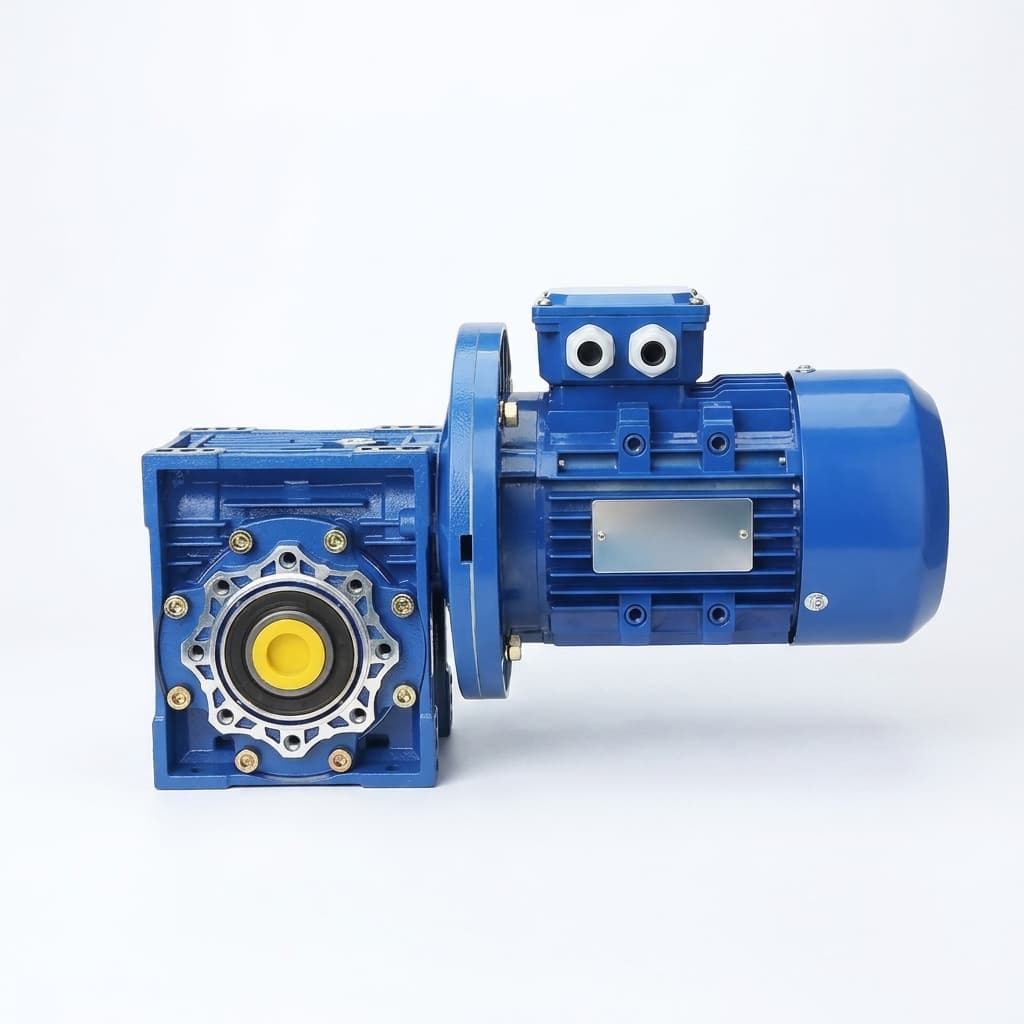
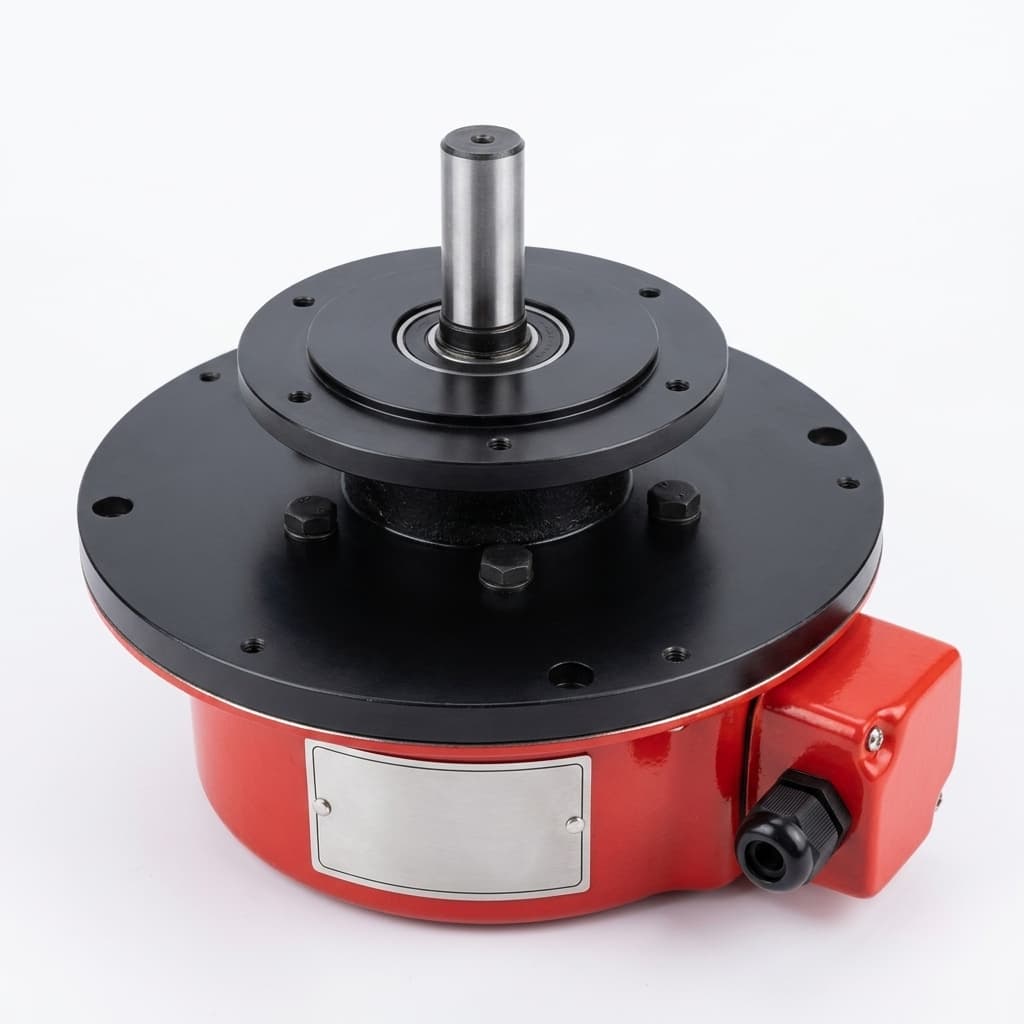
0.4kW Dual-Flange Pancake Motor — view 1
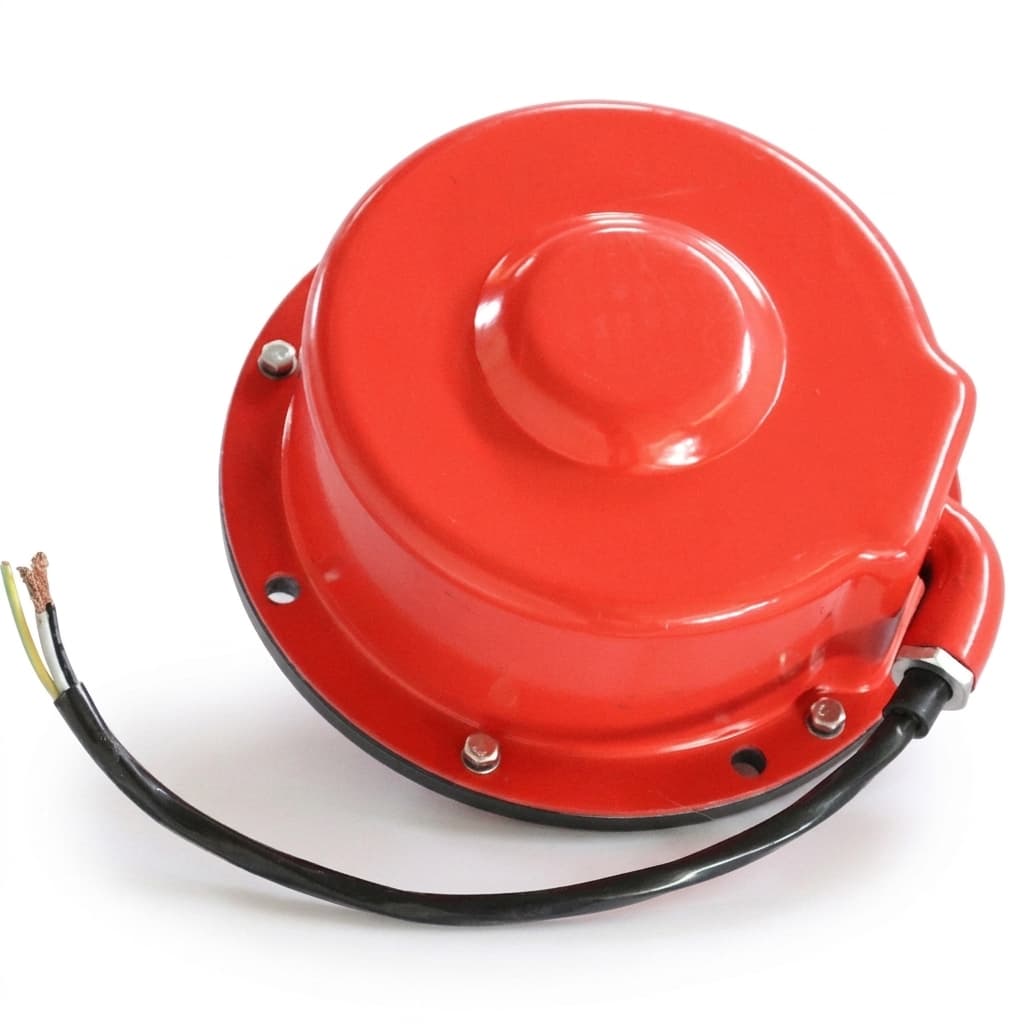
Thin-Gap Axial Flux Motor — view 1
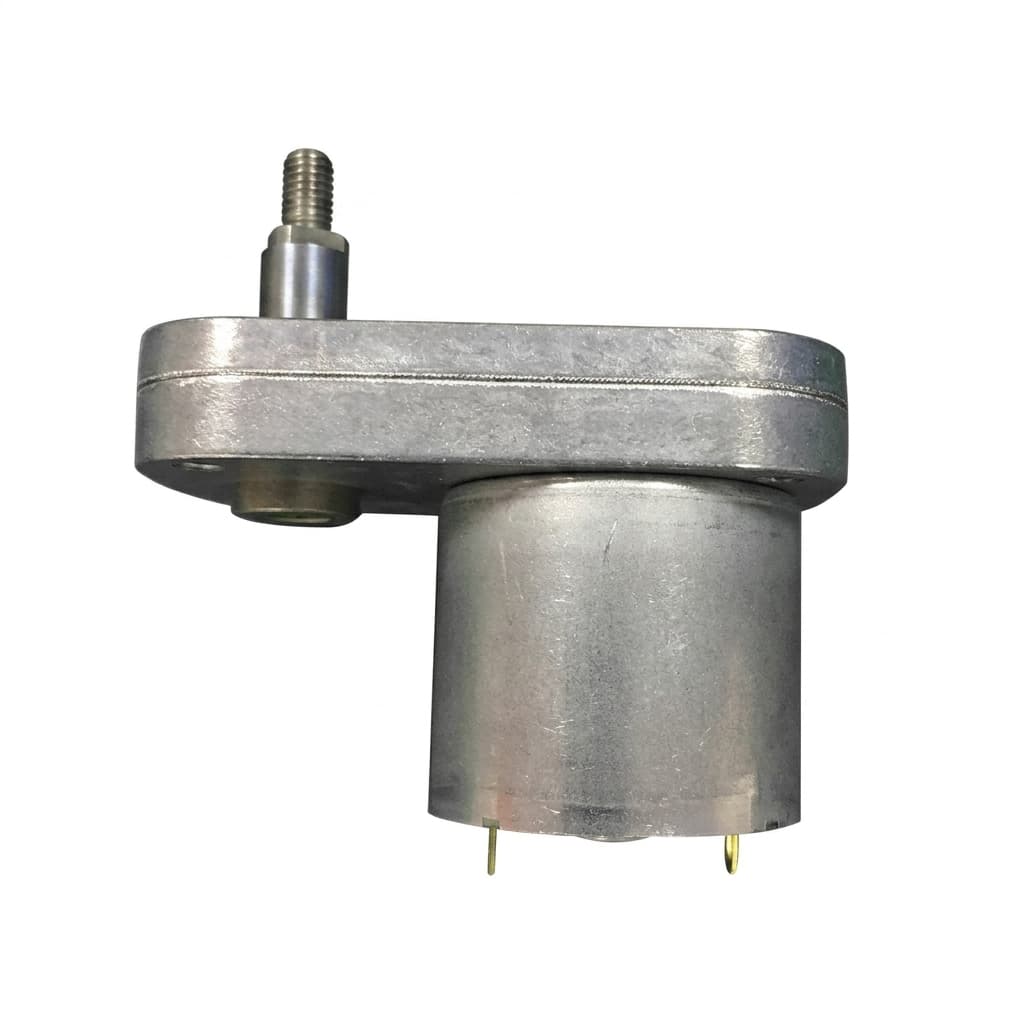
Miniature Axial Flux Motor — view 2
Single-Phase Axial Flux Motor — view 1
750W Asynchronous Brake Motor — view 1

Buyer FAQ

Can AFPM motors support hollow-shaft joint layouts?

Yes, but hollow-shaft feasibility depends on rotor disk stiffness, bearing arrangement, and magnet layout.

Can the motor, encoder, brake, and reducer be reviewed together?

Yes. Robotics RFQs are stronger when the full joint stack is reviewed because each interface changes axial height, heat path, and control behavior.

What should a robot joint buyer define before prototype build?

Define the torque-speed profile, holding torque duration, reducer ratio, envelope, feedback type, noise target, heat-rise limit, and life-test expectation.

Related Resources

  • AFPM Stator and Rotor Assemblies
  • AFPM Design and Prototype Support
  • AFPM Quality Validation
  • Contact / RFQ

Inquiry Email

[email protected]

Open RFQ Email

Please include application, peak/continuous torque, speed range, voltage/current limit, outer diameter, axial length, cooling method, quantity, and drawings or reference samples.

Instant Chat

+86 188 5797 1991

Chat on WhatsApp

Share torque-speed, package, cooling, and sample quantity in the first message.